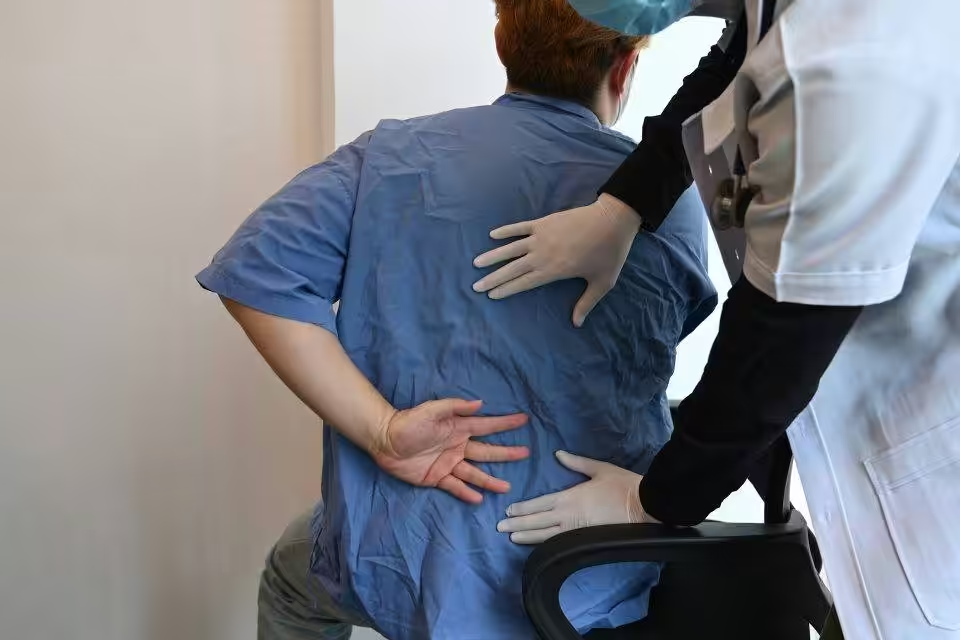

As the colder weather settles in, many people around Fairfax feel joint pain more than usual. You might notice your knees ache a little more in the morning or your shoulder feels stiff despite loading on the heat. For some, it’s the change in temperature. For others, it’s the same old pain that flares up every winter, no matter how many layers they wear or how hot that heating pad gets. It’s frustrating when warmth brings only short-term comfort, especially when moving through your day becomes harder than it used to be.
When that relief doesn’t stick around, it might be time to think differently. Joint pain treatment in Fairfax can include more than just warm compresses or long baths. While simple supports help, they sometimes fall short of what your joints truly need. Whether it’s a past injury acting up or chronic discomfort from everyday wear and tear, knowing when to seek out something more focused makes a real difference during the colder months.
When Joint Pain Feels Worse in Cold Weather
Cold weather doesn’t cause joint pain out of nowhere, but it can make existing problems feel more noticeable. Some people say their knees feel tight on cold mornings. Others feel sore in the same shoulder where they had an old sports injury. As outside temps drop, muscles and joints naturally stiffen, especially when movement slows down.
Winter routines often shift. Movement drops, daily walks get shorter, and the body’s usual rhythm changes. That can make joint discomfort stand out more than it did back in the warmer months.
Here are a few winter changes that can trigger or increase joint pain:
• Mornings feel harder, with more stiffness after sleep
• Aching joints make outdoor activity unappealing, leading to less movement
• Cold air seems to settle into joints, leaving them feeling tight or sore
If certain joints always seem to act up around this time of year, it could be a hint that more targeted care would help keep things steady.
Limits of Relying on Heat and Home Remedies
There’s no doubt warm compresses, hot showers, and layering up in thick clothes offer some comfort. Those steps work well for temporary relief, especially when the goal is to stay relaxed and warm. But they only touch the surface. They calm the tension for a while, not the deeper irritation inside the joint.
That might work fine for the kind of fatigue or soreness that passes quickly. But for joint pain that has been around for months or flares up with the seasons, warmth may stop being enough.
• Warmth often comforts muscles but doesn’t reduce swelling deep in a joint
• Daily home care can’t always stop pain that lingers during rest or movement
• Routines like heat therapy lose effectiveness when stiffness returns every evening
If the good habits that once worked stop helping, or if you find yourself doing more just to feel the same level of relief, that’s a sign there may be something more going on below the surface.
Signs You Might Need Something More Targeted
We all have off days when movement feels a little stiff. But when the pain sticks around or starts interfering with basic activities like standing, walking, or getting dressed, it’s worth paying closer attention. Patterns over time can help guide the next step.
Here are a few signs that warmth and rest might not be doing enough anymore:
• You wake up sore more often than not
• Joint swelling doesn’t ease up by the afternoon
• You avoid certain movements because of sharp or deep discomfort
• Pain flares when doing basic tasks like reaching, walking, or bending
These red flags can signal that your joints aren’t just reacting to winter’s chill. They may be responding to inflammation, irritation, or restricted motion that needs a different kind of support. If comfort routines stop working, knowing when to shift gears can prevent bigger setbacks later.
How Interventional and Non-Surgical Options Can Help
When joints feel stuck, stiff, or painful no matter how much rest or heat they get, more focused treatment can make a significant difference. Not all joint care means surgery. In many cases, non-surgical options offer support by going closer to the issue, whether that’s calming inflammation or easing nerve irritation that’s making the joint feel worse.
Some common types of non-invasive joint care involve:
• Image-guided injections to reduce swelling or calm nearby nerves
• Physical movement strategies guided by what the joint can tolerate
• Hands-on techniques or therapies aimed at easing stiffness
At DMV Spine and Pain, we offer comprehensive joint pain care in Fairfax, including ultrasound-guided injections and individualized physical therapy plans for long-term relief. Many of these treatments work best when combined with what’s already helping, not as stand-alone fixes. If warmth and rest provide some relief, targeted care can be the layer that helps your body hold on to that progress longer. It’s less about quick fixes and more about building steady support that encourages your joint to move and feel better bit by bit.
Rebuilding Comfort and Movement Through the Winter
There’s no one-size approach to joint pain. Winter often brings a sharp reminder of how past injuries or ongoing issues can make ordinary routines a bit harder than expected. And when standard comforts like heating pads stop working as well as they once did, that doesn’t mean your body is failing. It might just be a sign that things have shifted and need a different kind of help.
Recognizing those quiet daily changes, like soreness creeping in faster or the return of the same ache each week, is often the first step. Listening to those signals matters. By staying open to more focused care, you give yourself the chance to move through winter with less struggle and a bit more ease. If warmth isn’t doing the job anymore, it could be time to look a little deeper at what will.
Find Lasting Joint Relief This Winter
When joint sensitivity increases with each cold spell and familiar routines no longer provide the same relief, it may be the right moment to seek more specialized support. Our team goes beyond temporary solutions to offer options crafted to your body’s unique needs in winter. We help patients discover targeted approaches for long-term stiffness, swelling, or discomfort, especially when daily movement feels more demanding. To see how we can support your next step, start by looking at our approach to joint pain treatment in Fairfax. Contact DMV Spine and Pain to schedule a visit that works for you this season.