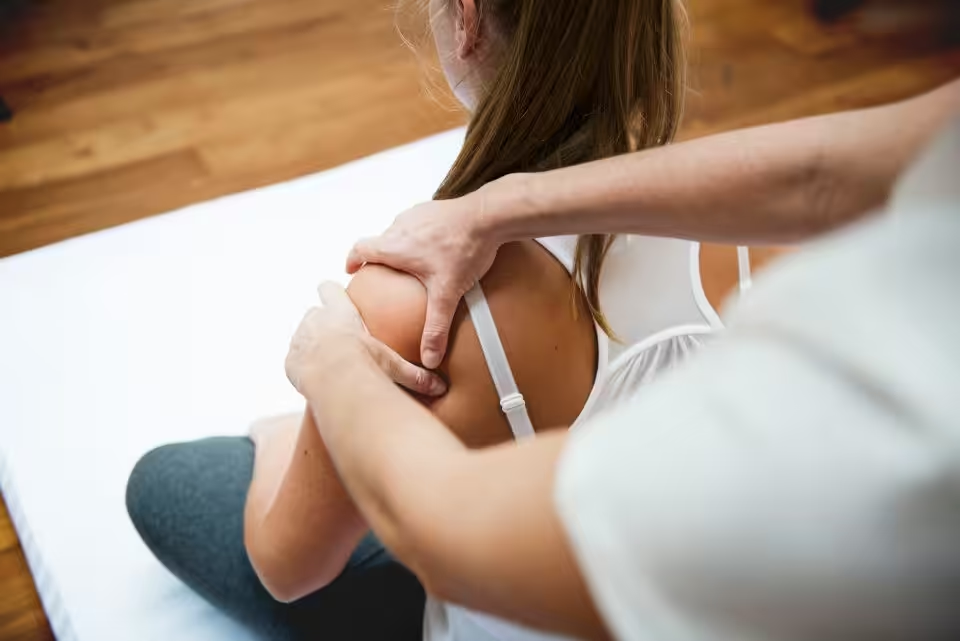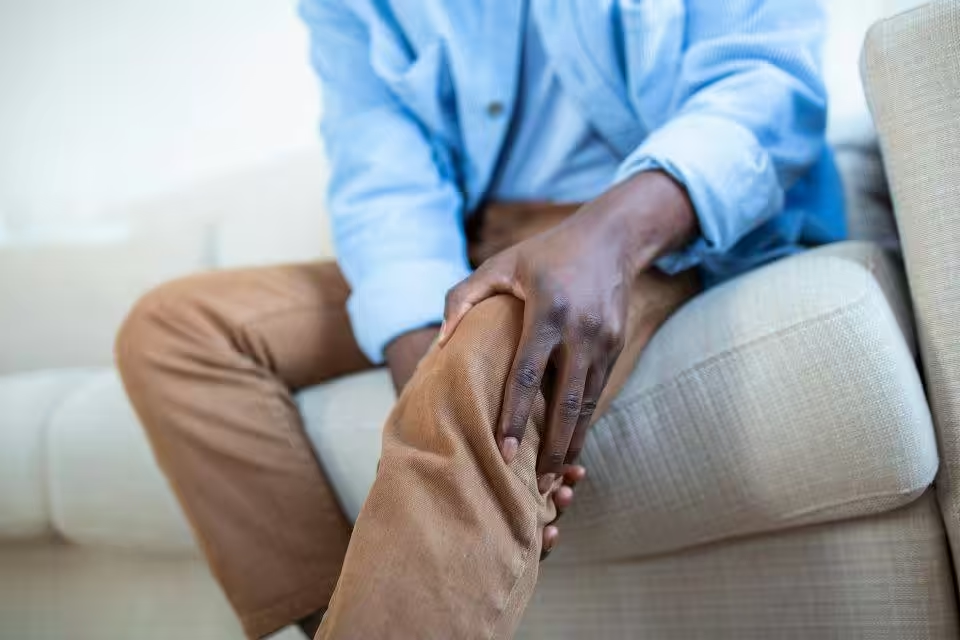

When colder weather sweeps into Sterling, many people find their joints don’t move the way they used to. Mornings can start stiff, and that stiffness often lingers longer than it did during the warmer months. Pain can become sharper, and even simple routines like getting dressed or walking to the car feel more demanding. Not surprisingly, this is when more residents start searching for ways to feel better, and why seeing a joint pain doctor in Sterling becomes a more common step during the winter season.
As temperatures drop and people spend more time indoors, joint discomfort tends to show up more often or feel more intense. Colder air, early darkness, and longer periods of rest all play into how the body feels day to day. For many, this change in routine highlights pain that was easier to ignore during spring or summer. It’s not just the cold, but everything that comes with it. Slower mornings, less movement, and shifts in how often we stretch or stand, these small changes can add up quickly when your joints are already under some strain.
Understanding How Cold Weather Affects Joints
Colder weather doesn’t cause joint pain, but it can make existing issues more noticeable. That tight feeling in your knees or the dull ache in your hands may flare up faster on cold mornings. It’s something we hear about often, especially during late winter when bodies have been dealing with low temperatures for months already.
• Cold air may change how fluid behaves in and around the joints, which can affect how freely they move
• Lower barometric pressure could add to a sense of swelling or tightness, especially in inflamed joints
• Muscles around the joints may tighten in the cold, reducing support and adding strain
At the same time, shorter days and cold temperatures encourage people to stay indoors more. That often means extended time on couches or in positions that don’t support joint mobility. It’s easy to fall into patterns that involve less movement, watching more TV, standing less, or skipping outdoor walks. While comfort matters, it’s these exact patterns that can increase stiffness over time.
Why Activity Slows Down in Winter, and Why That Matters
During winter, days seem shorter and energy often runs lower. It’s natural to want to stay warm and cozy inside. But staying indoors usually means missing out on the kind of movement that keeps joints flexible. Walking less, climbing fewer stairs, and stretching less often can all make existing pain harder to manage.
• Joints that don’t move much tend to lose range and feel tighter over time
• Daily habits like scrolling in bed or slumping on the couch can subtly shift posture
• These posture shifts often put extra pressure on hips, knees, and lower backs
When our winter routine lacks steady, low-impact movement, joints can feel less supported. Muscles aren’t engaging the way they should, and ligaments that thrive on movement start stiffening up. That sharp jab in the knee or twinge in the back after a long sit isn’t always from injury, it may just be the result of a body that hasn’t moved enough throughout the day.
When to See a Professional for Cold-Weather Joint Pain
It’s one thing to feel a little stiff in the cold. That’s normal for many people. But when that stiffness becomes consistent pain, or when it starts changing your routine in a noticeable way, it might be time to look closer. A joint pain doctor in Sterling can help figure out what’s behind the flare-up and what can be done to support more comfort.
Some signs it’s worth booking a visit:
• Pain that makes it harder to walk, stand, or use your hands each day
• Swelling that appears regularly, especially around knees, shoulders, or fingers
• Trouble sleeping or focusing because of aching or discomfort
• Increased pain after rest or long periods of sitting
It’s easy to shrug off these signs during the holidays or busy winter weeks. But when discomfort begins to limit what you can do or how well you sleep, getting help early can make a difference. Waiting too long, or hoping that spring will solve it, can lead to repeated flare-ups that are harder to calm later.
How Local Care Helps During the Coldest Part of the Year
One benefit of seeing someone nearby is that they understand your environment. A joint pain specialist who lives and works in Sterling knows what it feels like when temperatures drop fast or when ice lingers on neighborhood sidewalks. They’re familiar with the physical demands locals face during this time of year, from shoveling snow to running errands in layered clothing.
• Care plans can shift based on what your body is facing in winter, less outdoor walking or more time sitting
• Adjustments in activity, treatment timelines, or support strategies may be more nuanced when the weather matters
• A local approach often includes practical ways to stay active without adding extra strain
At DMV Spine and Pain, our Sterling office provides image-guided joint and bursa injections, physical therapy referrals, and multi-modal pain management to help people reduce stiffness and regain mobility during the colder months. Getting support that matches both your symptoms and your environment makes sense. When someone understands how cold mornings affect your body, or how the lower light affects your motivation, they can work with you to build options that feel doable in everyday life.
Cold Days, Smarter Plans: Stay Ahead of Joint Pain
Winter doesn’t have to mean waiting things out. Cold temperatures may make joint pain louder, but small adjustments can set you up for more control over the discomfort. Stretching gently in the mornings, adjusting sitting routines, or checking in when something starts feeling new can make symptoms more manageable before they grow.
No one wants to be sidelined by pain during a season that’s already harder on the body. That’s why staying aware of what changes in your body, and how, can help you stay ahead of joint strain. Joint aches may show up more in February than in June, but the right attention at the right time can go a long way. Cold months don’t have to be the hardest ones, especially when we prepare for what they bring.
When joint pain starts interfering with your winter routine, having support from a team that understands how colder months affect your pace and posture can make a real difference. Talking with a local provider gives you insight into everyday changes that may be impacting your movement more than you realize. Thinking it might be time to see a joint pain doctor in Sterling? At DMV Spine and Pain, we take the time to learn what winter means for your body and help you move forward with less discomfort. Call us to schedule a conversation today.