

Effective Piriformis Syndrome Treatment & Relief in Northern Virginia
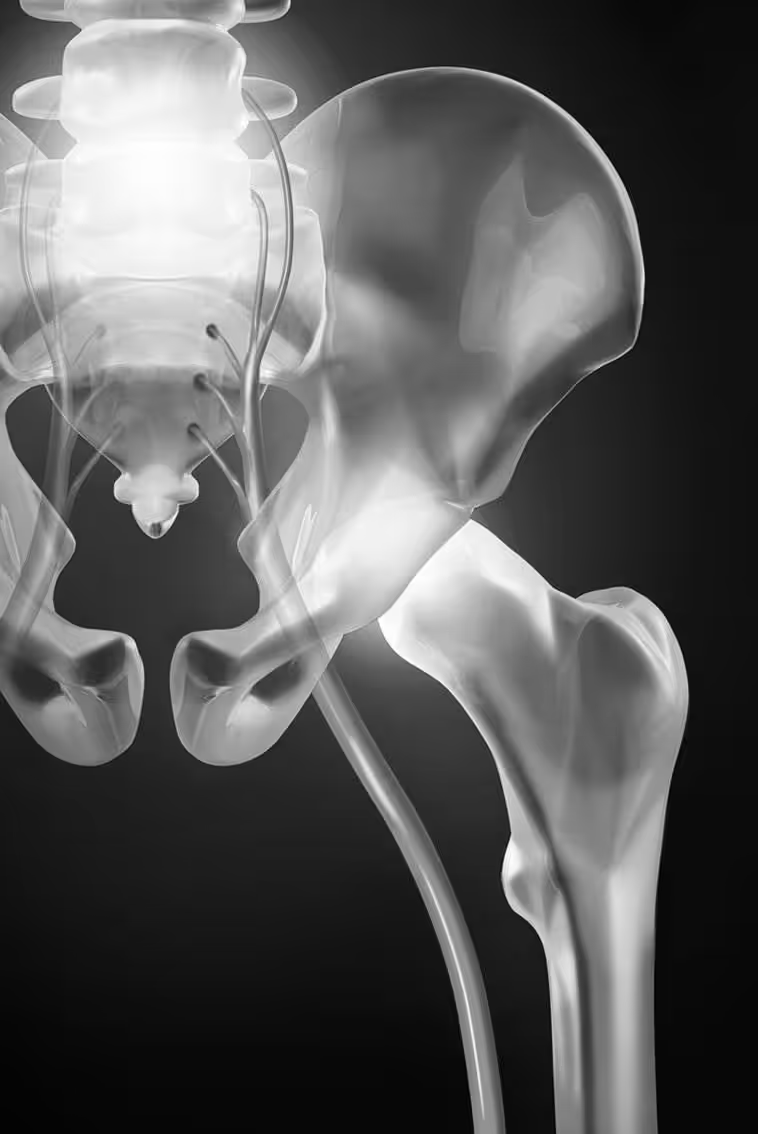
Piriformis Syndrome is a neuromuscular condition where the piriformis muscle, located deep within the buttock, irritates the nearby sciatic nerve. This can cause a range of uncomfortable symptoms, including pain that starts in the buttocks and travels down the leg. For some, the irritation results in dull, nagging pain. Others may experience tingling, numbness, or burning sensations, often made worse by sitting for long stretches or walking uphill.
Because Piriformis Syndrome shares symptoms with other conditions like sciatica or herniated discs, getting a clear diagnosis is essential. Patients frequently undergo several evaluations before identifying the real cause. At DMV Spine and Pain, we regularly treat individuals who experience these symptoms, particularly those with sedentary jobs or occupations involving repetitive lower body movements.
Common Causes and Risk Factors
Piriformis Syndrome can develop from a variety of conditions, some gradual, others sudden. Repetitive movement, trauma, posture issues, and anatomical differences can all contribute to the problem.
Common causes and risk factors include:
- Repetitive physical activity, such as running or cycling
- Trauma from falls or car accidents affecting the lower spine or buttocks
- Sitting for long durations without movement
- Differences in leg length affecting gait and stride
- Tight or spasming piriformis muscles
- Unusual anatomy that causes friction between muscle and nerve
While anyone can get Piriformis Syndrome, people with highly active lifestyles or sedentary work routines tend to be most at risk.
How Piriformis Syndrome Is Diagnosed
There is no single test to confirm Piriformis Syndrome. Diagnosis starts with a detailed discussion about your symptoms, daily habits, and how long the discomfort has been occurring. A physical examination follows, where providers assess strength, flexibility, and how pain responds to specific movements.
Advanced testing, such as MRI or ultrasound, may be used to exclude similar conditions like spinal stenosis or a herniated disc. Clues like worsening pain when climbing stairs or driving can help your care provider hone in on the correct diagnosis.
Non-Surgical Treatment Options
Most patients with piriformis-related discomfort improve with non-surgical care. Early intervention often leads to faster recovery.
Physical therapy is typically the starting point. A skilled therapist can show you how to safely stretch and strengthen the muscle, restore balance, and relieve pressure on the sciatic nerve. Supportive care may also include:
- Anti-inflammatory drugs
- Heat and cold therapy
- Adjustments in workstation ergonomics
- Limited rest with gradual reintroduction of activity
Everyone’s body responds differently. One case involved a patient who used basic stretches and over-the-counter medication before progressing to physical therapy. In time, they regained pain-free mobility.
Interventional Pain Management Options
If conservative treatments fall short, procedures that directly target the affected area may be considered.
Image-guided injections are a minimally invasive way to reduce inflammation. These injections often contain corticosteroids or anesthetics and are placed precisely with the help of advanced imaging. The result can be rapid pain relief and improved function.
Some patients may also benefit from a nerve block. Administered near the sciatic nerve, a block disrupts pain signals and may allow you to participate more effectively in physical therapy going forward.
Living With Piriformis Syndrome
Managing Piriformis Syndrome means learning how to prevent flare-ups and reduce discomfort throughout your day. Small lifestyle adjustments can make a big difference.
Helpful strategies include:
- Taking breaks to stand or walk regularly
- Warming up before activities and stretching afterwards
- Using ergonomic chairs with lumbar and pelvic support
- Avoiding overexertion or positions that increase muscle tension
Consistency with these habits helps you build a sustainable plan tailored to your body and activities.
When to Seek Professional Care
If symptoms last for more than a few weeks or begin to interfere with work and daily life, it may be time to seek expert evaluation. Specific signs that indicate a need for professional care include:
- Persistent or worsening pain
- Difficulty with walking, sitting, or standing
- Repeating numbness or muscle weakness
- Loss of control or coordination in one leg
Timely consultation with a provider who understands the spinal and muscular systems is essential. A specialist can personalize your care and guide you toward the most effective treatment path.
Personalized Piriformis Syndrome Treatment in Northern Virginia
No two cases of Piriformis Syndrome are the same. At DMV Spine and Pain, we deliver non-surgical, evidence-based care designed around each patient’s condition and goals.
Our experienced team works closely with you to pinpoint the underlying issue and develop a treatment plan that offers meaningful, lasting relief. Whether it’s guided therapy, interventional techniques, or home-based strategies, our approach is always comprehensive and collaborative.
Serving communities throughout Northern Virginia and the Greater Washington DC area from our locations in Sterling and Fairfax, we are proud to help patients move past pain and return to the activities they love.
Don’t let nagging or severe sciatic pain dictate your life any longer. Relief may be closer than you think. Contact our team today to get started with personalized, non-surgical piriformis syndrome treatment in Northern Virginia.