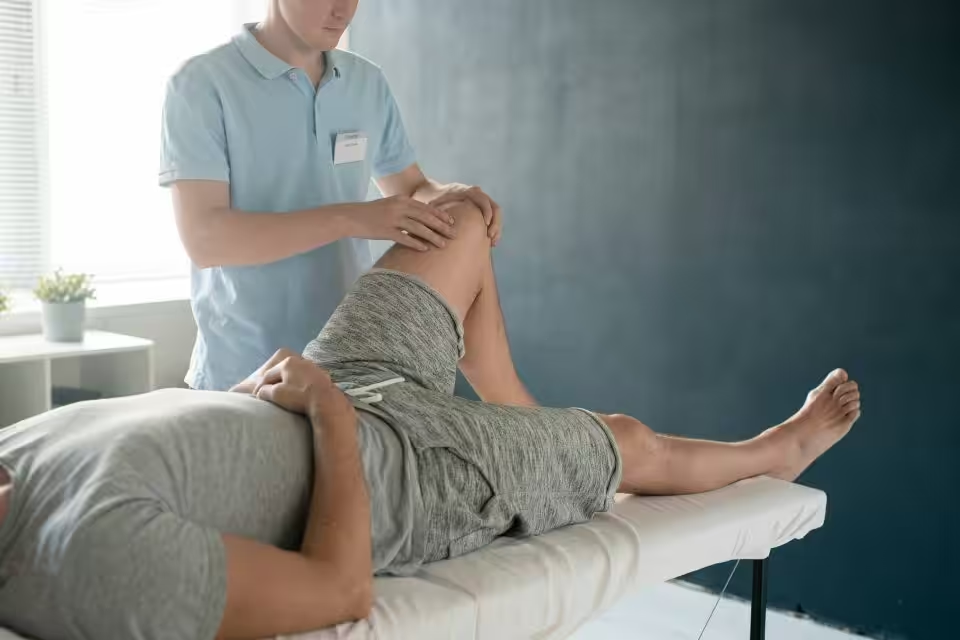

Joint pain has a way of shifting with the seasons, and those changes can show up fast once the fall air settles in. In places like Sterling, Virginia, we see the signs a little earlier than some. The mornings grow colder, days get shorter, and daily habits start to slow down. For many people, joints that felt fine in August begin to ache by late October.
This isn’t in your head. Fall weather often creates new soreness or makes old joint pain more noticeable. With winter just around the corner, a small issue now can become a constant frustration later. Meeting with a joint pain doctor in Sterling can help you understand why things feel different this time of year and what might be pushing those symptoms to the surface.
Why Fall Affects Joint Pain
You may notice your knees or shoulders feeling stiffer first thing in the morning. That’s a common sign the temperature is starting to affect your joints.
• Cooler weather tends to tighten the tissues around your joints, which can limit movement
• Less daylight often means fewer walks, less working outside, and more sitting, leading to slower circulation
• Fall humidity in Virginia changes quickly, and these shifts can bother joints already impacted by wear or injury
These conditions act as a kind of stress test for your joints. If they’re already sensitive or not moving well, the colder season can bring those problems to the surface faster.
Common Fall Activities That Can Trigger Joint Pain
The start of colder weather kicks off a long list of household chores and routines that many people push through without thinking. But certain tasks are harder on the body than we realize until the discomfort sets in.
• Raking leaves, bending down to handle yard work, or carrying firewood can upset knees, hips, and lower backs
• Reaching, pulling, or twisting while setting up for the holidays might stir up pain in the shoulders or elbows
• Skipping usual workout routines due to shorter days can reduce joint flexibility, which makes movement more awkward
Even simple changes, like wearing heavier coats or walking on uneven, leaf-covered ground, can challenge your joints in new ways.
When Cold Weather Makes Joint Pain Worse
As the season moves closer to winter, these problems often become harder to ignore. Lower temperatures can affect how easily blood moves to your joints, which adds to the feeling of tightness and pressure.
• Cold mornings make it tough for joints to warm up naturally, even after light stretching
• Changes in air pressure during storms and cold fronts can bother joints more in people with arthritis or past injuries
• If discomfort shows up every day or starts to limit everyday function, it’s likely not just a passing issue
When fall stiffness turns into winter pain, it can interfere with sleep, concentration, or motivation to stay active. That’s usually the time when people start looking for longer-term answers.
Specialized Joint Pain Treatment in Sterling
At DMV Spine and Pain, non-surgical treatment options for joint pain include ultrasound-guided injections, regenerative medicine, and physical therapy referrals tailored to your specific diagnosis. The practice focuses on addressing knee, hip, and shoulder pain from conditions such as arthritis, ligament sprains, and overuse injuries. By offering customized, minimally invasive treatments, we help you get back to moving more comfortably with minimal downtime.
Joint pain management is not a one-size-fits-all approach. Every patient presents unique challenges and concerns, which is why receiving an evaluation by a medical provider who specializes in joint pain can be so helpful. Options like physical therapy or precise injections are generally offered based on your diagnosis and daily activity level rather than relying on a single treatment path. With our specialist’s guidance, the goal is to restore movement while making everyday activities more manageable.
Signs You Should Talk to a Specialist
Joint pain that comes and goes with the weather does not always need treatment. But when it gets in the way of your normal routine or starts affecting your quality of life, it may be worth talking to someone. A few signs can help guide that decision.
• Ongoing pain that continues for more than a few weeks or wakes you up at night
• Joints that become swollen, red, or feel warm during colder months
• Trouble moving or bending the joint even with rest, heat, or light activity
If stretching, changing shoes, or resting more is not helping anymore, it may be time to meet with a joint pain doctor in Sterling and look at what else could be causing the problem.
Talking to a specialist can clarify whether the pain is mostly seasonal or if there are underlying concerns that require more attention. We may offer guidance on ways to adapt daily routines, suggest specific strengthening or stretching exercises, or recommend targeted therapies.
Keeping Joints Moving as Weather Changes
Movement is one of the best ways to keep joints working well during fall and beyond. We do not need to overdo it, but small adjustments can go a long way.
• Keep your body warm in the mornings with layers and gentle movement
• Use steady, smooth motions during tasks like cleaning or lifting to avoid extra strain
• Try to incorporate simple joint movement into everyday routines, even if you’re staying indoors
Consistency is key for joint health as the weather cools. While it might be tempting to delay chores or avoid activity, regular, gentle movement encourages circulation and prevents stiffness from taking over. It may also help to use supportive shoes, maintain healthy posture, and take breaks if a particular task involves repetitive motions or awkward angles.
It’s often the stop-start nature of fall activity that makes joints more vulnerable. A little consistency in how we treat our joints through the season can help reduce some of the bigger flare-ups.
Staying Comfortable and Active Through Fall
Understanding why joint pain flares up during colder months helps us make better decisions before winter hits. It’s not just the temperature or the pressure shifts, it’s how we move, rest, and respond to the demands around us. Some discomfort cannot be avoided, especially with past injuries. Knowing the early signs gives us a chance to listen better to what our bodies are telling us.
Adapting to seasonal changes does not have to mean stopping what you enjoy. By checking in with your body, staying aware of small aches, and not ignoring pain or swelling, it becomes easier to maintain an active lifestyle throughout fall. If you find your normal routines are suddenly more difficult, take a closer look at what may be contributing: new footwear, increased sitting, or a change in outdoor activities could all play a part.
Fall can still be an active and productive season, even with minor joint issues. When we adapt early and give our joints the attention they need, it’s often easier to stay moving and feel more comfortable as the weather keeps changing. Most of those solutions start with noticing the changes and taking them seriously, even if they seem small at first.
As fall settles in and joints start to feel stiffer or everyday movements become less comfortable, it’s important to pay attention to what your body is telling you. Even small shifts in activity can reveal underlying joint concerns that should not be ignored. Meeting with a joint pain doctor in Sterling allows you to get answers about your symptoms and find practical steps to help you move with greater ease. At DMV Spine and Pain, we focus on solutions that support steady, comfortable movement without automatically resorting to surgery. Reach out to us to schedule a consultation that fits your needs.