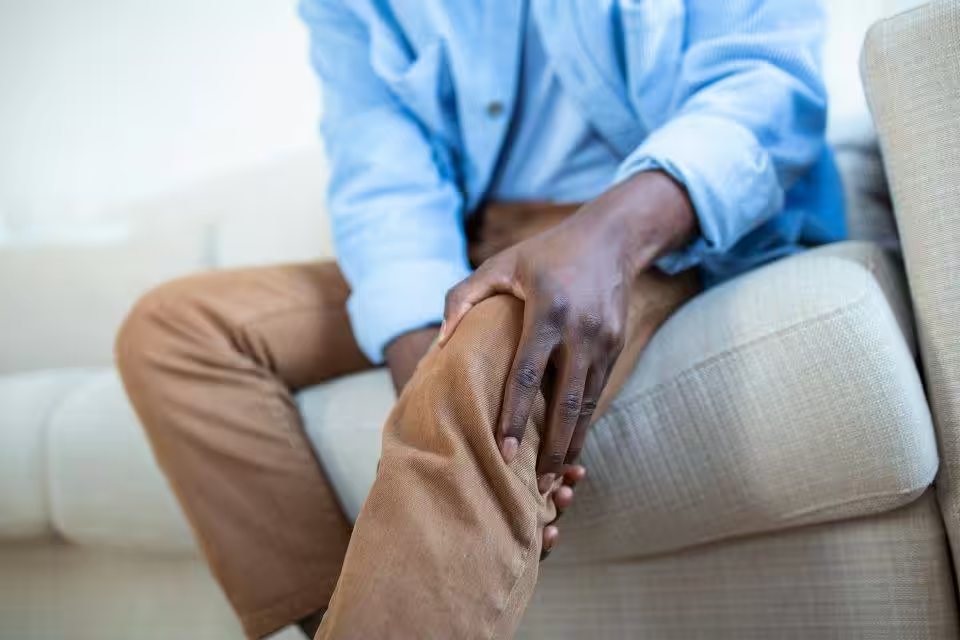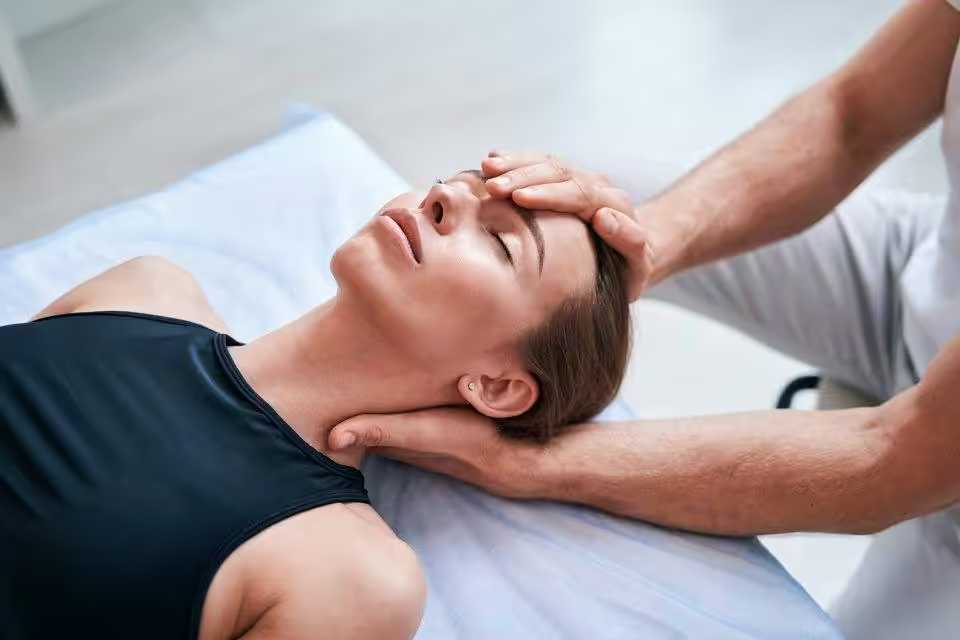

As fall turns colder in Fairfax, Virginia, joint pain often becomes harder to ignore. The drop in temperature, combined with daily tasks like yard cleanup or holiday prep, can make sore spots even more noticeable. It’s common to feel more stiffness in the knees, hips, or shoulders during this time of year.
That shift leads many people around Fairfax to consider non-surgical options that can support mobility and ease discomfort before winter sets in. One of those approaches includes PRP injections in Fairfax, VA. This treatment uses a small sample of your own blood to focus on areas where joints feel strained, sore, or slow to bounce back.
What PRP Injections Are and How They Work
PRP stands for platelet-rich plasma. It’s made by taking a small amount of your blood and separating the part that holds important growth factors. These growth factors are naturally used by the body during healing, especially in muscles, joints, and soft tissue.
The process begins by drawing blood, then placing it in a machine that spins it at a high speed. This separates the plasma with a higher concentration of platelets, which is then prepared and injected into the joint where you’re feeling discomfort.
This type of care is often used in non-surgical clinics when someone wants to support healing in areas like:
• Knees, especially after strain or long-term soreness
• Shoulders, where tendons or connective tissue may feel inflamed
• Hips, when stiffness makes walking or standing feel harder than before
By placing helpful components directly where they’re needed, this method aims to encourage natural recovery instead of just masking the aches.
When Joint Pain Starts to Interfere with Daily Life
There’s a difference between joints feeling a little creaky in the morning and soreness that starts to affect how you move through the day. Around this time of year, that difference becomes clearer.
In Fairfax, late fall is filled with repetitive yard work, colder mornings, and more time indoors. That mix often leads to less motion and more sitting, which can create even more pressure on the joints. People might expect discomfort after a long afternoon outside, but sometimes the stiffness lingers for days. That’s when support can make a difference.
Some signs joint pain is becoming more than an occasional issue:
• Pain that shows up during basic tasks like walking, bending, or holding groceries
• Stiffness that lasts into the afternoon or seems to worsen after rest
• Soreness that keeps you from sleeping in a regular position or makes you shift often
Instead of pushing through, this may be the time to check in and see if there are safer, non-surgical steps to bring the joint some relief.
What to Expect from a PRP Appointment
Meeting with a provider about PRP is usually a straightforward process. The first step is always a conversation about your symptoms, activity levels, and previous care. That helps guide which joint to target and whether this fits your current needs.
Once you’re settled, a small amount of blood is drawn and placed into a centrifuge to prepare the platelet-rich plasma. After that’s ready, your provider uses imaging or touch to locate the sore area, then carefully injects the PRP into the joint.
Most appointments:
• Take less than two hours from start to finish
• Do not require general anesthesia
• May have minimal downtime, depending on what joint was treated
You may be asked to rest or avoid heavy use for several days afterward, especially if the joint already felt inflamed before the visit. People are usually able to return to low-impact routines fairly quickly with guidance.
PRP Therapy at DMV Spine and Pain in Fairfax
At DMV Spine and Pain, platelet-rich plasma (PRP) therapy is offered as a regenerative option for individuals with joint pain, tendon injuries, or musculoskeletal discomfort that hasn’t resolved with standard care. Using your own blood components to concentrate natural growth factors, PRP injections are carefully performed in-office and typically require minimal downtime. Patients often find this approach helpful for relieving stubborn pain and enhancing mobility without surgery.
Why PRP Injections Are Considered for Joint Treatment
For people looking to stay active without turning to surgery, this option may feel more manageable. Since PRP uses your own blood, it doesn’t involve unfamiliar substances or long recovery times. It’s often suggested when someone has already tried rest, stretching, or over-the-counter care without seeing the changes they hoped for.
Instead of looking for a single solution, PRP is sometimes paired with other gentle care options such as:
• Light, supervised exercises that don’t put added strain on the joints
• Movement advice that helps adjust daily habits like sitting position or lifting form
• Occasional follow-up appointments to guide progress
It isn’t meant to fix everything right away, but it may act as part of a steady support plan that’s focused on joint comfort and movement.
Moving Through Fall with Less Joint Discomfort
As outdoor chores slow down and colder air settles in, this stretch between late fall and early winter becomes a good time to take a closer look at how your joints are holding up. For people around Fairfax, this is often the season when small discomfort turns into larger patterns of pain.
PRP injections in Fairfax, VA may offer a path forward for those hoping to reduce the impact of joint soreness before further activity becomes limited. Being aware of how your body feels now makes it easier to stay ahead of stiffness and avoid being caught off guard once winter is in full swing.
If joint pain is starting to get in the way of daily plans, it might be worth starting a conversation. The earlier we listen to what our bodies are telling us, the more likely we can move through the colder months with a little more ease.
As colder weather sets in and your joints start to feel more strained, exploring support like PRP injections in Fairfax, VA could be the next step for lasting relief. At DMV Spine and Pain, we’re dedicated to non-surgical treatments that prioritize your comfort and mobility goals. Many patients notice changes in how their joints feel with the winter season, especially during chilly mornings and shifts in daily activities. Paying attention to these early signs allows us to guide care around your needs and plans. To discuss the best options for your joint health this season, contact us.