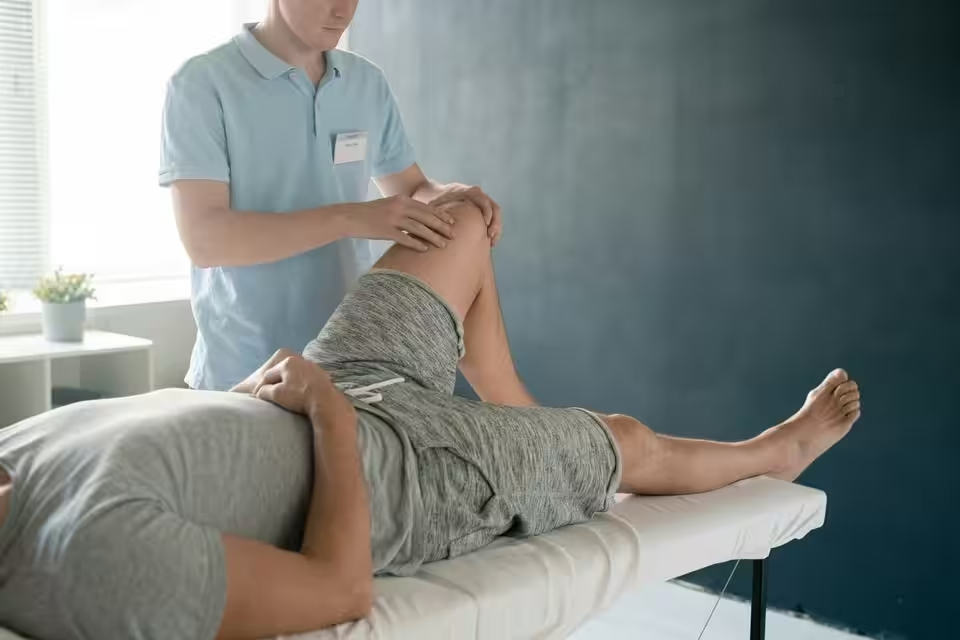

When back pain sticks around longer than expected, it’s natural to start looking for more answers. That’s often when people begin asking what a visit to an interventional spine specialist in Sterling might look like. Some are dealing with spine pain that never fully went away after an injury. Others might start feeling it more clearly as winter settles in and joints become stiffer from the cold.
This is a good time of year to learn what actually happens when someone spends a full day under the care of a specialist focused on non-surgical spine care. The day isn’t rushed, and it doesn’t start with jumping straight into treatment. Instead, it begins with listening, and then builds from there.
Starting the Morning: How Evaluations Typically Begin
Appointments usually begin with a conversation. That first stretch of the morning is spent talking about when the pain started, what types of movements make it worse, and how it’s been affecting daily life. Many people describe pain that flares up during cold spells or when getting out of bed in the morning.
We pay close attention to that part of the day. It’s where the story takes shape. From there, we may do some light movement checks to see what ranges feel limited or off. Sometimes past images like X-rays or MRIs are useful, especially if the issue’s been around for a while.
If the person can remember what brought the problem on, like a bad lift or a long car ride, we’ll want to hear that too. But often, pain just drifted in and stuck around. That’s just as important. Stiffness in the morning or new tightness during winter weather can give us clues we need to move forward.
This conversation helps both the patient and the specialist understand patterns that may not be obvious at first. Some people notice that their pain seems to flare up after sitting for an hour or two, while others might experience discomfort when transitioning from sitting to standing. We take note of all these moments, as they often provide hints on what might need special attention. Throughout the initial evaluation, there is no rush to move ahead, allowing extra time for questions or clarifications.
Midday: What Happens After the First Look
By late morning or early afternoon, we’re usually mapping out what comes next. This part of the day tends to focus on narrowing down which pieces of the exam deserve more attention. Sometimes that means ordering updated imaging or reviewing earlier results with a new question in mind.
We’ll talk through options in plain language. Often, next steps involve helping someone get back to regular movement without pushing too fast. That could mean finding gentle ways to ease inflammation or calm down certain nerves. When winter pain is taking away good sleep or making it harder to sit or stand comfortably, the goal becomes figuring out what simple changes can help restore those moments.
Everything we recommend at this point lines up with the person’s life, not just what the textbook says should happen. Whether they sit a lot during the day or spend hours driving through Northern Virginia traffic, small choices matter, like the way they turn to look behind them or how long they stay standing at a counter.
This period is also useful for looking back at any recent changes in the pain pattern. For example, we might ask whether there have been new activities, changes in posture, or even seasonal factors, like extra time spent indoors. If someone has started walking less since winter began, that’s the sort of thing that might come up around this time. We encourage open conversation so nothing is missed.
Afternoon: Understanding Interventional Tools Without Surgery
Once we understand the problem more clearly, the afternoon is when we might talk about interventional treatments. These are non-surgical options that often provide support in spots where home remedies or medication haven’t been enough.
Common treatments might include:
• Injections near the spine to calm irritated joints or nerves
• Image-guided procedures that help deliver medication directly to where inflammation is sitting
• Nerve blocks that quiet signals long enough to make physical movement more manageable again
At DMV Spine and Pain, our Sterling location provides fluoroscopy and ultrasound-guided spinal procedures, including epidural steroid injections and facet joint treatments, that deliver targeted care for back, neck, and nerve pain. An interventional spine specialist in Sterling may use these options to help someone move through the day with less resistance from their body. These procedures aren’t meant to replace exercise, rest, or long-term habits. They’re meant to open the window so those things work better.
Many people feel nervous about the idea of injections. That makes sense. We keep the conversations simple and supportive, focusing on what feels realistic and helping each person decide what level of care feels right at that point in time.
During the afternoon, patients may get more information about what each treatment involves. We explain why a certain injection or procedure might help, and how it could fit into their daily routine. We always aim to keep instructions straightforward, so nobody feels overwhelmed about next steps. This makes it easier to follow through with aftercare or home instructions.
How These Plans Stay Flexible Through Winter and Beyond
Once treatment begins, the process doesn’t stop. Follow-up is part of the rhythm. People are checked on often, and the plan gets updated as their body adjusts.
• Some weeks work better than others.
• Cold snaps can set off nerve pain that had been calm for days.
• Stress and sleep can shift how pain shows up from one week to the next.
That’s why the plan can’t be locked in too tight. We keep it open. Whether treatment started three days ago or two months ago, there’s always room to adjust based on how the person is doing in that season.
We’ve seen how winters in Northern Virginia can push joints into a tighter state. When someone is stiff for weeks at a time, even small progress counts. That’s the kind of awareness we build our follow-up care around, especially through these colder months.
The follow-up process can also involve simple check-ins to monitor progress. Adjustments might be made to treatment plans if there is a setback, a new pain, or an unexpected improvement. Nothing stays fixed for too long, so care remains matched to the person’s true needs, not just what was planned weeks before. This way, we’re always listening and responding to what the body tells us.
Staying Steady Through the Season
Spine pain isn’t always loud. Sometimes it’s just the side ache that makes it hard to lift groceries or the stiffness that won’t fade after a short drive. But when it keeps showing up season after season, taking a closer look becomes the smart move.
Working with a spine specialist helps bring attention to what your body’s been trying to say. Instead of ignoring it or pushing through, the goal is to figure out where support makes the most difference. During winter, when spine discomfort can feel especially sharp or stubborn, staying flexible, honest, and open during care often brings the clearest path forward.
Staying steady through the season means listening to your body and not being afraid to adjust what isn’t working. It also means finding patience with the ups and downs, especially when weather can play a role in how you feel day to day. Checking in with a specialist gives that extra layer of support, so you’re not managing these changes alone. Through all these changes and new routines, the key is embracing flexibility, not just in the spine, but in the approach to care too.
When spine pain has been slowing you down this winter, it may be time to talk with an interventional spine specialist in Sterling who understands how seasonal changes can impact your comfort and mobility. We take the time to listen to what your body is telling us and shape care around what works for your daily life. Whether you’re managing long drives, meetings, or just hoping to get out of bed with less stiffness, our goal is to help you return to steady movement. At DMV Spine and Pain, we offer non-surgical options to support your quality of life through every season. Call us today to start a conversation about solutions that may work for you.