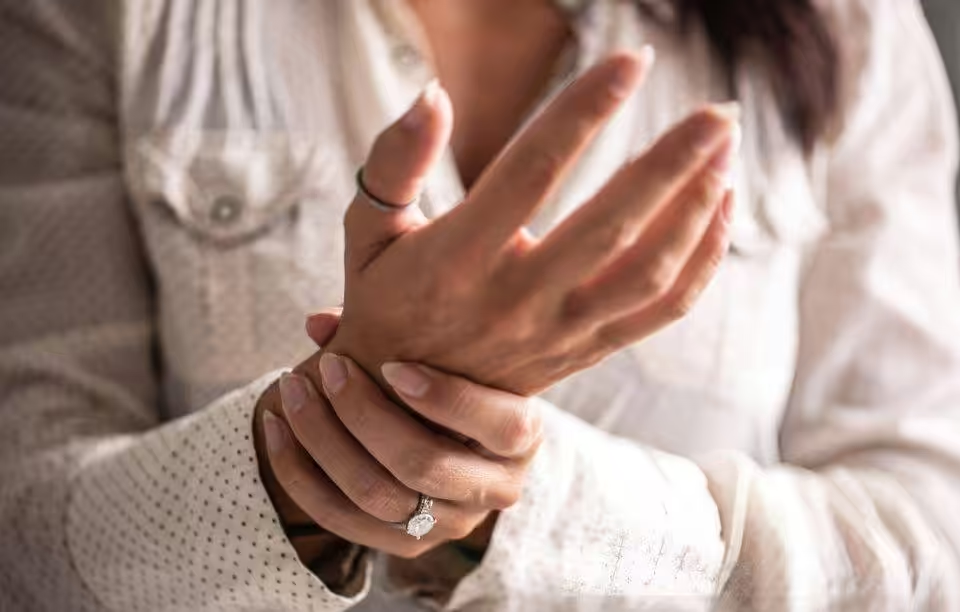

When pain lingers long after a workout, a slip, or a simple tweak during daily movement, it can be hard to tell if it’s part of healing or a sign that something deeper needs attention. Soreness is easy to brush off at first, especially when it seems tied to a busy week or a stretch of inactivity. But as weeks pass and that tight knee, sore shoulder, or stubborn low back ache keeps coming back, many people start to wonder when it’s time to do more than rest and stretch.
A non-surgical orthopedic doctor in Fairfax may be able to help sort out what’s slowing down your recovery. Spring is right around the corner, so it makes sense to check in on those lasting strains now, before activity levels increase with longer days and better weather. That way, you’re not guessing whether your body is ready to handle more movement. You’ll be walking into the season with more clarity and hopefully, more comfort.
What Counts as a Lasting Strain?
It’s normal to feel sore after certain activities. A hard workout, yard work that you’re not used to, or chasing kids around all day can leave muscles tight for a few days. That kind of soreness often fades quickly with light movement and short periods of rest. Lasting strains feel different.
These types of issues tend to stick around and don’t improve much, if at all, with standard recovery. They may seem like a minor ache at first, but flare up with regular movement or low-key activities. Some common triggers include:
- Repeating the same motion at work or during workouts
- Lifting objects that feel just a little too heavy
- Twisting the wrong way, even during small tasks
The pain might feel dull and deep, or sharp only when moving a certain way. Muscles and joints don’t always heal on a fixed schedule. Tendons, for example, can take longer to repair than expected, especially if they’re still under strain from daily use.
Some people keep hoping each week will bring change, only to notice they’re adjusting how they sit, lift, or walk just to avoid discomfort. That’s usually a sign the body needs more input to heal.
How Non-Surgical Orthopedic Care Approaches Strains
When healing slows down or levels off, it helps to step back and look carefully at what’s happening under the surface. That’s where non-surgical orthopedic care comes in. The focus isn’t on pushing through pain or rushing into surgical repair. Instead, it’s about identifying the root of the problem and choosing methods that support recovery at a steady, tolerable pace.
One of the tools that makes this possible is imaging. With updated diagnostics, we can view specific joints, muscles, or soft tissues and see if there’s inflammation, wear, or small injuries that may be overlooked during a general exam.
Once we know what area is most involved, movement strategies often follow. These may include:
- Hands-on techniques that reduce tension without worsening the strain
- Guided motion to help build strength around injured areas
- Planning short recovery-friendly activities that still keep the body active
At DMV Spine and Pain, we specialize in multi-modal and non-surgical orthopedic treatments in Fairfax, including corticosteroid and ultrasound-guided joint injections, physical therapy referrals, and targeted pain management for injuries and chronic strains. The goal isn’t to make jumps in progress overnight. It’s to slowly reduce pain while helping the body regain built-in support and ease of motion.
A big part of non-surgical care is understanding the timeline of how strains heal. Many injuries, especially those involving tendons or ligaments, don’t recover overnight. They may need weeks of gradual improvement, with close attention to which movements are comfortable and which ones need to be paused. By tracking how your body responds, we can spot small gains and setbacks, helping you adjust your routine for a more comfortable recovery.
Sometimes, steady support includes strengthening the muscles around the injured area. For example, if your knee or shoulder keeps bothering you, we might focus on the nearby muscle groups to take pressure off the sore spot. Gentle stretching, basic strengthening activities, or even balance exercises can make simple tasks feel easier while protecting your healing area. It’s not about doing more, but about doing what helps most.
When to See a Specialist for a Lingering Strain
There isn’t a perfect rule for when a strain crosses the line between normal and needs-a-closer-look. But if discomfort shifts from an occasional twinge to a frequent block in your routine, it’s usually time to bring someone in.
Pay attention to signs like:
- Pain that stays steady or worsens week to week
- Trouble using certain muscles or joints like you normally would
- Stiffness that affects basic tasks like walking, climbing stairs, or lifting a light bag
- A sharp or shooting pain that keeps showing up during movement
If these feel familiar, a visit with a non-surgical orthopedic doctor in Fairfax may be a helpful next step. A typical first visit may include a conversation about your physical habits, a review of how the issue began, and a physical check of the affected area. From there, we usually decide what needs testing or imaging and what feels safe to try first.
It’s important to remember that waiting too long can sometimes let a small problem grow. Addressing the concern early helps prevent over-compensation, where other body parts take on extra work and trigger new aches or patterns. If you start finding creative ways to avoid pain, like using your other side more, skipping favorite walks, or tightening up during daily activities, it’s usually a sign to get another set of eyes on what’s happening.
This type of early-season planning isn’t about pushing activity out of fear. It’s about understanding the body’s signals in time to avoid setbacks when spring plans pick up momentum.
Staying Active Without Making Strains Worse
Movement supports healing, but the wrong kind can get in the way. For people dealing with long-lasting muscle or joint issues, figuring out that balance between rest and activity can be tricky.
Some ways we encourage progress without strain include:
- Keeping a daily movement habit, but changing pace or type
- Swapping higher-impact activities for ones that are easier on the joints
- Spacing out repetitive tasks, like reaching or bending, throughout the day
Paying attention to your body’s signals after activity helps guide choices. If soreness builds up after a walk, it may help to shorten the distance for a few days or pick a softer path. If stiffness sets in after sitting too long, changing positions often or sprinkling in gentle stretching can break the cycle. Even a few minutes of careful motion at a time can add up to improvement when done consistently.
Mixing things up can offer relief too. Some people find that switching between standing, walking, and sitting rather than sticking with one position keeps their muscles happier. If you’re feeling stiff in the morning, a slow-paced routine that starts with light movement rather than full activity may prepare you for the day. If your schedule allows, breaking long chores into small bursts with rests in between can stop muscle fatigue from building up.
We often see people make small changes that bring long-term results. Avoiding the temptation to “train through it” during a strain is one of the more useful habits to build, especially before spring hits full stride.
Better Days Ahead, One Step at a Time
Most lasting strains begin in small ways, often from habits or motions that seemed harmless. With a bit of guided support, they usually don’t have to stay this frustrating. The body wants to bounce back, but sometimes it just needs a bit of direction and the right time to refocus efforts.
As spring approaches, it helps to keep in mind that movement should feel freeing, not limiting. If a strain is holding you back, attention now can mean more energy and flexibility later. Even small improvements in how you feel during daily routines can bring a sense of relief and progress. There’s still time to ease into the season with support that matches where your body is today.
Struggling with ongoing discomfort and uncertain about your recovery? Meeting with a non-surgical orthopedic doctor in Fairfax could be the step that helps you move forward. At DMV Spine and Pain, we take the time to understand which movements affect you and recommend thoughtful adjustments to support healing, all without rushing into aggressive treatments.
Our steady approach and clear information are designed to make your spring more comfortable and help you stay active at a pace that works for your body. Call us to schedule your visit and start feeling better.