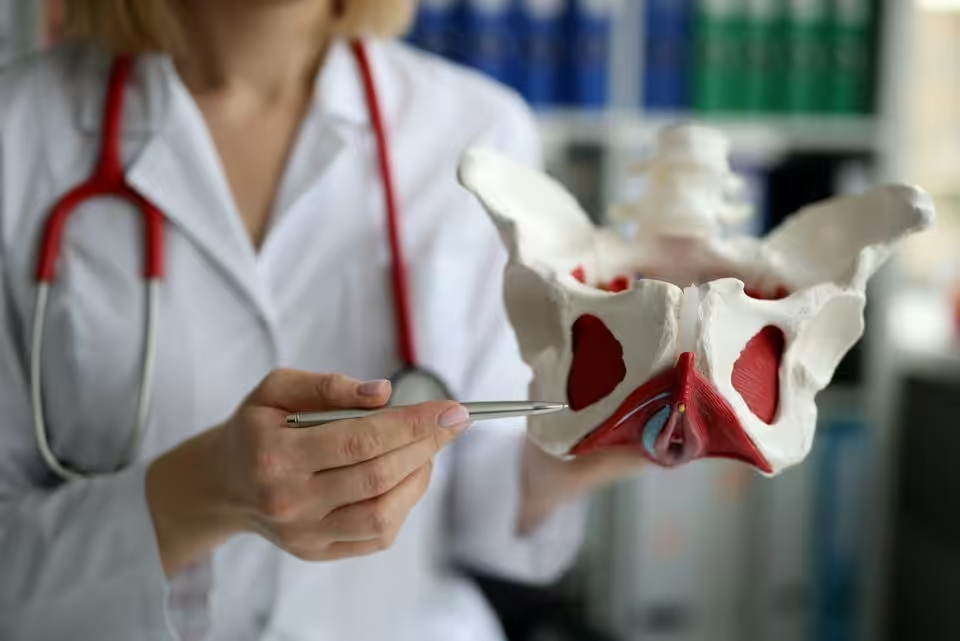

Stop Guessing and Start Protecting Your Spine
Back and neck pain are not just annoying; they can change how you work, drive, sleep, and enjoy time with family. When your spine is not happy, simple things like getting out of the car after a long commute or bending to pick up a bag can feel much harder than they should. For many people in Sterling, long hours on the road and at a desk make this even more common.
The good news is that many spine problems are linked to everyday habits we can change. We see the same patterns again and again, like ignoring early pain, relying only on rest, or sitting with poor posture. When we fix those patterns early, we can often calm pain and protect long-term function with non-surgical care.
At DMV Spine and Pain, led by Dr. Gaurav Bhatia, we focus on evidence-based, minimally invasive options and personalized plans. Our goal is to help you understand what your spine needs so you can stay active, protect your independence, and avoid common mistakes that make pain worse.
Ignoring "Minor" Back Pain Until It Turns Major
Many people wait until pain feels unbearable before they look for help. That delay can let a short-term strain turn into a long-term issue. Muscles begin to tighten, nerves can get irritated, and other joints like the hips, knees, or shoulders start to pick up the slack.
Some warning signs should never be brushed off, even if the pain seems “not that bad” at first. Paying attention early can often mean simpler treatment and a quicker return to your normal routine.
Do not ignore pain if you notice:
- Pain that lasts more than a few weeks without clear improvement
- Pain that wakes you at night or makes it hard to get comfortable in bed
- Pain that spreads down your leg, into your foot, or down your arm
- New weakness, tingling, or numbness in a limb
Getting an early spine evaluation can open the door to more conservative options. This can include focused exercises, activity changes, and targeted procedures that calm irritated structures before damage builds up. Acting sooner often means better results, less disruption to work and family life, and a lower chance of depending on long-term medications.
Relying Only on Rest and Over-the-Counter Pain Pills
When pain flares up after travel, yardwork, or a busy weekend, it is tempting to stop all movement and stay in bed. A short period of rest can sometimes help calm a new strain. But if rest stretches into several days, muscles start to weaken, joints get stiff, and healing can slow down.
At the same time, many people push through pain by taking over-the-counter pills around the clock. While these medicines can offer short-term relief, they can also hide important warning signs and may cause side effects when used often or in high amounts.
Common problems with this “rest and pills” approach include:
- Weaker core and hip muscles that support the spine
- Loss of flexibility in the back and legs
- Delayed healing because blood flow and gentle motion are limited
- Masked pain that makes it easy to overdo things again
Modern spine care often focuses on safer and more targeted tools. These can include guided physical therapy, simple home exercise programs, and interventional procedures that act directly on irritated joints, discs, or nerves. Instead of just covering up symptoms, these methods aim to address the source of pain so you can move with more confidence.
Poor Posture and Workspace Habits That Strain Your Spine
Spine stress is not just about big injuries. It often builds up slowly, from daily habits at work, at home, and in the car. Long commutes on Routes 7 and 28, hours at a laptop or desktop, and lots of time looking down at a phone can all place steady strain on your neck and lower back.
Small changes in how you sit and stand can take a lot of pressure off your spine. A few basic ergonomic ideas go a long way:
- Keep your spine as neutral as possible, not slumped or overarched
- Set your chair so your hips are level with or slightly above your knees
- Use lumbar support, either built-in or with a small cushion at your lower back
- Place your screen at eye level to reduce neck bending
- Keep your feet flat on the floor, not tucked under your chair
Short “micro-breaks” are just as important. Every 30 to 60 minutes, stand up, roll your shoulders, gently stretch your neck, and walk for a minute. At home or when working remotely, avoid long hours on soft couches with your laptop in your lap. A simple, stable chair and table setup with good posture can support healthier spine care in Sterling, VA, all year long.
Overdoing Summer Activities Without Conditioning or Recovery
Sudden bursts of activity are another common trigger for back and neck pain. A weekend packed with home projects, moving boxes, late-summer sports, or long travel days can overload the spine if your core strength and flexibility are not ready for it.
Typical mistakes we see include:
- Lifting heavy items with a rounded back instead of using the legs
- Twisting while carrying boxes, coolers, or luggage
- Skipping warmups before sports or intense yardwork
- Forgetting to take breaks, drink water, and pace activity in hot weather
Safer habits can make a big difference. Even a few minutes of gentle warmup, like marching in place and light stretching, can prepare your muscles. Basic core work, such as small abdominal bracing and hip strengthening, can give your spine more support. When lifting, keep the weight close to your body, bend at the hips and knees, and avoid twisting while you are holding something heavy. Break big jobs into smaller chunks with rest in between to reduce the risk of strains, disc irritation, and muscle spasms.
When Home Care Is Not Enough and How DMV Spine and Pain Helps
Self-care habits like posture changes, light activity, and simple stretching can be helpful for minor discomfort. But there are clear signs that it is time to go beyond home care and get a professional spine evaluation. Waiting too long can let problems grow more stubborn and may limit which non-surgical options are likely to work well.
It is wise to seek expert help if you notice:
- Pain that continues or gets worse after several weeks of home care
- Pain that begins after a fall, accident, or sudden injury
- Pain that spreads into an arm or leg or is paired with numbness or tingling
- Weakness, loss of coordination, or trouble with balance
At DMV Spine and Pain in Northern Virginia, Dr. Gaurav Bhatia provides non-surgical spine and pain management using interventional and conservative methods. Care may include image-guided injections, nerve blocks, radiofrequency ablation, and customized rehabilitation plans designed around your goals and daily activities. Our focus is on evidence-based, minimally invasive treatment and on listening to your story so we can build a plan that fits your life and helps protect your spine for the long term.
Take The Next Step Toward Lasting Spine Relief
If you are ready to address pain that is limiting your daily life, our specialists are here to help. Learn how our team approaches personalized spine care in Sterling, VA so you can move with more comfort and confidence. At DMV Spine and Pain, we will walk you through your options and build a treatment plan tailored to your needs. Schedule an appointment today by using our contact page so we can get started.