
Travel with Less Pain: Plan Ahead for a Better Trip
Travel can be exciting, but it is often hard on a painful back, neck, or joints. Long hours in a car or plane, carrying bags through an airport, or sleeping in a new bed can all make chronic pain feel worse. When you are flying out of Dulles or driving several hours from Sterling, it helps to think about your body the same way you plan your tickets and hotel.
One way to have a safer, more comfortable trip is to focus on non-opioid pain management in Sterling. This approach can reduce side effects like grogginess or confusion, which are especially hard when you are in new places. In this guide, we will walk through how to plan medications, think about procedure timing, and work with a local pain specialist so you can travel with more confidence and less stress on your body.
Know Your Triggers Before You Book Your Trip
Before you lock in your flights or book that long road trip, it helps to understand what tends to flare your pain. Many people notice that pain acts up during:
- Long sitting times on planes, trains, or cars
- Lifting or rolling heavy luggage
- Sleeping on soft or unfamiliar hotel beds
- Standing in lines, on tours, or at events
- Time zone changes that disrupt sleep
A few weeks before travel, pay close attention to what makes your pain worse. Keep a simple log on paper or in your phone. Note things like how long you sat, how far you walked, or how much you lifted, and what your pain felt like a few hours later and the next day. Patterns in this log can shape a smarter plan.
A spine and pain specialist in Sterling can then look at your history, imaging, and your pain notes and help you predict what may happen during travel. Together, you can talk through your usual flare patterns and build a plan that fits how you like to travel, what you enjoy doing, and what you want to avoid.
Building a Non-Opioid Medication Game Plan
Non-opioid pain management in Sterling can include several types of medications that may work together in a safe, thoughtful way. Depending on your health history and your other prescriptions, your pain specialist may consider:
- NSAIDs for inflammation, when safe for your stomach and kidneys
- Acetaminophen for general pain relief
- Topical creams, gels, or patches to apply directly where it hurts
- Muscle relaxants for muscle spasms
- Nerve pain medications when nerves are part of the problem
The goal is not to take everything at once. It is to layer medicines in a clear schedule that makes sense for you. Many people do better when they:
- Take certain medications before a long flight or drive, rather than waiting for pain to spike
- Stagger medications to avoid taking multiple drugs that stress the same organ at the same time
- Keep a written schedule that shows times, doses, and what each medicine is for
When you travel across time zones, you may need to shift your usual dosing times. Your specialist can explain how to adjust slowly so you do not double up or skip too much. Keep medications in their original labeled bottles, in your carry-on, not your checked luggage, so they stay with you if a bag is lost.
You should also know when pain during travel is a red flag. Sudden new pain, weakness, loss of bladder or bowel control, or pain with fever, chest pain, or trouble breathing should not be ignored. Your provider can give you clear advice on when to seek urgent or emergency care while away from home.
Timing Injections and Procedures Around Your Travel
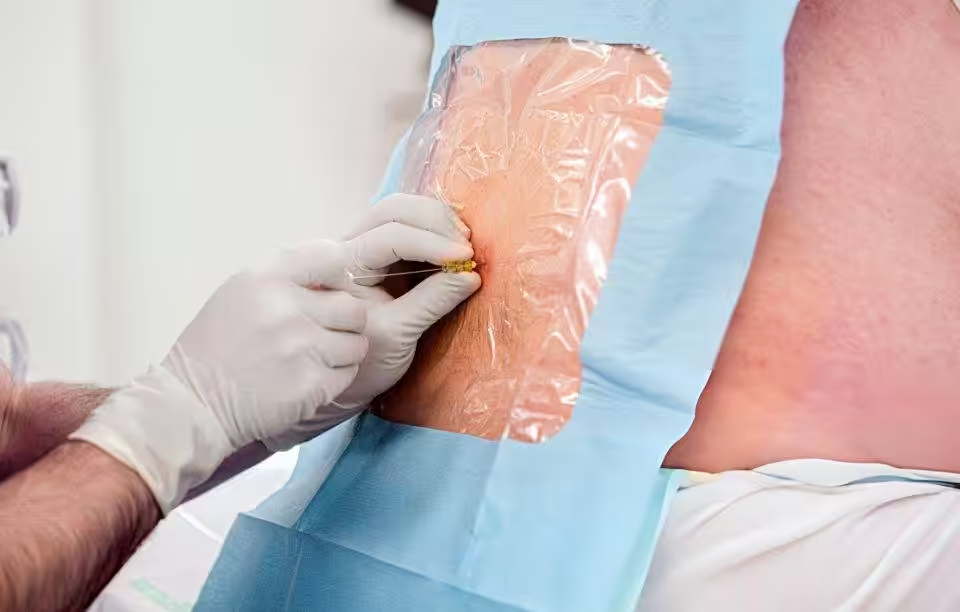
Many people rely on interventional treatments to keep pain controlled. These may include epidural steroid injections, facet joint injections, radiofrequency ablation, or peripheral joint injections. Each treatment has its own onset and duration, so timing around a trip is important.
In general, you want time to:
- Recover from the procedure
- Watch for any side effects
- See how much relief you actually get
This often means planning injections or similar treatments at least several days before you leave, and sometimes longer, depending on the procedure. Some injections do not offer full benefit for a little while, so doing them too close to travel may not give you the best results during your trip.
Activity limits also matter. Your specialist may ask you to avoid heavy lifting, intense exercise, or soaking in pools or hot tubs for a set period after a procedure. If your trip involves swimming, hiking, or carrying luggage through large airports, your provider can help you decide what timing makes sense. In some cases, if a major procedure is needed, it may be safer to delay a big trip until you are past the higher-risk window.
Comfort Strategies for Flights, Road Trips, and Hotels
Medication and procedures are only part of the picture. Simple comfort choices can make a big difference in how you feel during and after travel.
For flights and long drives, consider:
- Using a small lumbar cushion or rolled-up sweatshirt behind your lower back
- Adjusting your seat so your hips and knees are level, not sharply bent
- Standing, stretching, or walking the aisle every 30 to 60 minutes when possible
- Doing gentle neck, shoulder, and ankle movements while seated
- Drinking water regularly and avoiding heavy salty foods that can cause swelling
A few small pieces of travel gear are often helpful:
- Lightweight lumbar cushions or travel pillows
- Compression socks for people with leg swelling or circulation issues
- Roll-on or patch-style topical pain products
- Soft braces or supports, when your provider says they are appropriate
Hotel and short-term rental setups are not always friendly to sore joints or spines. You can often improve things by:
- Asking for extra pillows to support knees, hips, or shoulders
- Requesting a firmer mattress topper or adding blankets under the sheet for more support
- Using folded towels as wedges under your low back or neck
- Asking for a ground-floor room or one close to the elevator to limit stairs and long walks
These small steps can help your body handle the added stress of travel days, especially when combined with your non-opioid medication plan.
Working with a Sterling Pain Specialist Before You Go
A clinic that focuses on non-opioid pain management in Sterling can help you bring all these pieces together into one clear plan. Instead of guessing at medications or hoping a trip will not trigger a major flare, you can prepare with support that fits your specific diagnosis and goals.
To make the most of a pre-trip visit, try to bring:
- Any recent imaging, such as MRI or X-ray reports
- A current list of all your medications and supplements
- A record of past injections or procedures and how you responded
- Your travel details, such as flight length, driving hours, and expected activities
After your trip, a follow-up visit can be just as helpful. You and your specialist can talk through what worked, what did not, and what surprised you. That information shapes the next plan, so future trips, whether for work or vacation, can feel more manageable and less stressful on your body.
DMV Spine and Pain is here in Northern Virginia to support that kind of careful planning, so travel can be about where you are going, not just how much it hurts to get there.
Take Control Of Your Pain Without Relying On Opioids
If you are ready to explore safer, proven options for relief, our team at DMV Spine and Pain is here to help. We specialize in personalized treatment plans that focus on non-opioid pain management in Sterling so you can get back to doing what you love. To discuss your symptoms and next steps with our specialists, please contact us today.