
When Surgery Is Not the Finish Line for Pain Relief
Back, neck, or joint surgery is a big decision. Most people go into the operating room hopeful that this will be the thing that finally takes the pain away. When months pass and the pain is still there, or even feels different but not better, it can be upsetting and confusing.
You might start to wonder if something went wrong, if the pain is in your head, or if you are just stuck like this. In reality, ongoing pain after surgery is more common than most people are told, especially with spine and orthopedic procedures. The good news is that there are non-surgical options in Sterling and the Northern Virginia area that focus on understanding why pain is hanging on and what can be done about it. This guide is meant to help you think through your next steps if surgery did not bring the relief you were expecting.
Why Pain Can Persist Even After “Successful” Surgery
A surgeon can do a technically successful procedure, and your scans can look improved, but your body does not always follow the script. Pain is not just about bones and discs. Nerves, muscles, joints, and even the way the brain processes pain all play a role.
Common reasons pain can continue after spine or orthopedic surgery include:
- Scar tissue around nerves (often called epidural fibrosis)
- Nerves that have become hypersensitive from long-term irritation
- Adjacent segment problems, where levels above or below the surgery start to wear down
- Muscle, ligament, or joint issues that were never fully addressed
- A pain source that was misidentified or only partly treated
You may hear the term “failed back surgery syndrome” or similar phrases for other areas of the body. This name can sound harsh, but it does not mean you failed or your surgeon failed. It is simply a label for ongoing pain after surgery, and it is a known and treatable condition in the pain management field.
An interventional pain specialist looks at this from a fresh angle. Instead of only relying on old reports, they focus on where it hurts now, how it feels, what makes it better or worse, and which structures are most likely involved. That kind of detailed re-evaluation is key when the first plan did not fix the problem.
Rethinking Chronic Pain Treatment in Sterling, VA
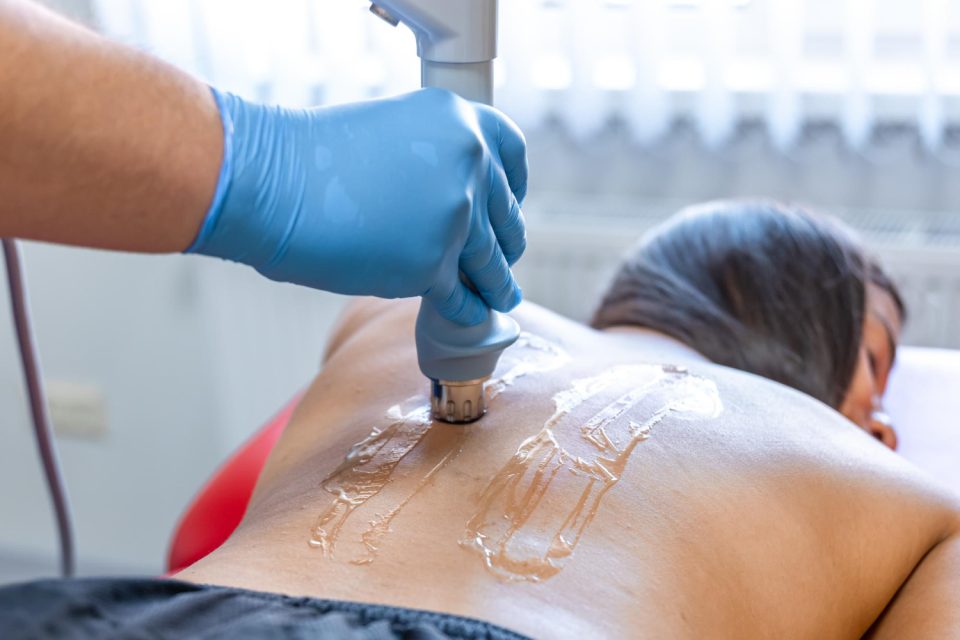
Chronic pain treatment in Sterling, VA, has changed over time. In the past, many people were offered more pain pills or another surgery as the main options. These days, care has shifted toward targeted, minimally invasive procedures combined with conservative treatments that work together.
An interventional approach often starts with:
- A detailed history of your pain before and after surgery
- A hands-on physical exam to check joints, muscles, nerves, and movement
- A review of prior imaging and operative notes
- Selective diagnostic injections to help confirm which area is truly causing the pain
From there, a personalized treatment plan can be built. For many people, that plan may blend:
- Epidural injections around irritated nerves
- Nerve blocks or radiofrequency ablation to calm painful joints
- Targeted physical therapy and core strengthening
- Bracing or supports when needed
- Guidance on posture, daily habits, and activity levels
Living in or near Sterling means you have access to local care without long drives into the city. When your pain team can communicate with your surgeon, primary care provider, and physical therapist, it helps reduce confusion and keeps your treatment moving in a clear, step-by-step way.
Non-Surgical Options When You Are Not Ready for Another Operation
If the idea of another operation makes your stomach drop, you are not alone. Many people want to explore every reasonable non-surgical option first, especially after a tough recovery.
Common interventional techniques for post-surgical spine and joint pain include:
- Epidural steroid injections to reduce inflammation around spinal nerves
- Facet or sacroiliac joint injections for arthritic joint pain in the spine or pelvis
- Medial branch blocks followed by radiofrequency ablation to lessen pain signals from small spinal nerves
- Peripheral joint injections for lingering pain in shoulders, knees, or hips after surgery
For severe nerve-related pain that has not responded to other treatments, spinal cord stimulation can sometimes be an option. With this treatment, thin leads are placed near the spinal cord to change how pain signals are felt. A key benefit is that you can try a temporary trial first, so you can see how your body responds before deciding on a longer-term system.
Interventional care works best when paired with conservative support. That might include:
- Focused physical therapy rather than general exercise classes
- Core and hip strengthening to support the spine
- Posture and ergonomic tips for work, driving, and home chores
- Weight management strategies when extra pounds are stressing joints
- Activity pacing, so you can stay active without big flare-ups
During warmer months, people in Northern Virginia tend to walk more, travel, do yard work, and join outdoor events. For someone living with chronic pain, these activities can bring both joy and flare-ups. Planning care ahead of busy seasons, learning safe ways to stay active, and having a plan for flares can help you enjoy more of what you love with less fear of setting your pain off.
Red Flags and Green Lights: When to Seek a Pain Specialist
Not all post-surgical pain is an emergency, but some situations should never be ignored. It helps to know the difference between symptoms that need urgent surgical attention and those that should prompt a visit with a pain specialist.
You should seek prompt evaluation for lingering pain after surgery if you notice:
- Pain lasting longer than 3 to 6 months with little or no improvement
- Pain that seems to be getting worse instead of slowly easing
- New leg or arm symptoms like burning, tingling, or shooting pain
- Trouble sleeping because of pain most nights
- A growing need for stronger or more frequent pain medications
- Limits on work, hobbies, or daily tasks like walking, driving, or standing
Some red flag symptoms are surgical emergencies, such as sudden loss of bowel or bladder control, new severe weakness in a leg or arm, or sudden numbness in the groin area. Those situations need immediate emergency attention.
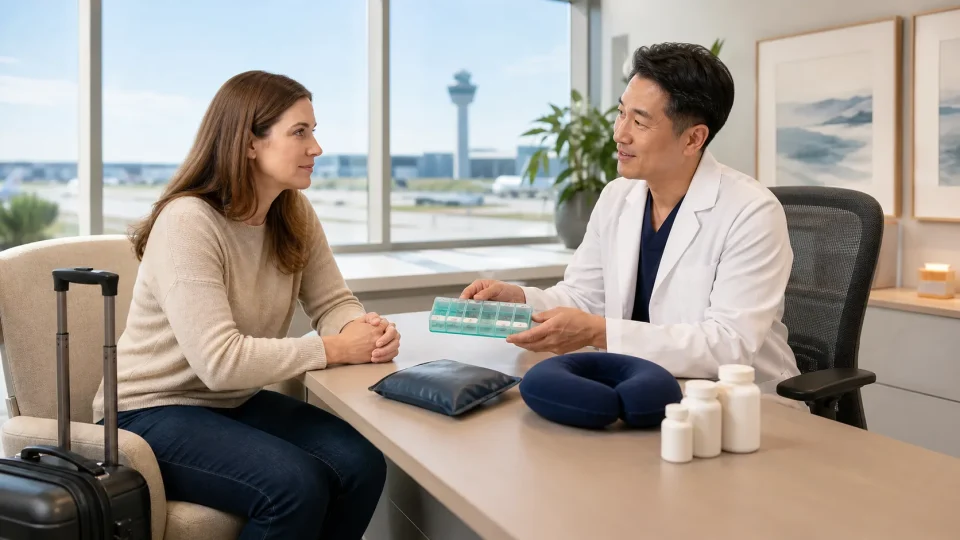
For chronic, ongoing pain that is not an emergency, an interventional pain specialist can be a good first stop. At an initial visit, you can expect a careful review of your prior surgeries and scans, a real conversation about your goals, and a stepwise plan that does not rush straight to another operation.
Seeing a specialist earlier instead of waiting years can help reduce long-term nerve sensitization, lower the chance of heavy opioid use, and open the door to a better quality of life sooner.
Taking the Next Step Toward Life After Pain
If you feel disappointed or stuck after surgery, this does not have to be the end of the road. It can be the starting point for a new, more precise look at what is driving your pain and what options are still on the table for you.
At DMV Spine and Pain, led by Dr. Gaurav Bhatia in Sterling, we focus on non-surgical, image-guided procedures combined with thoughtful conservative care for back, neck, joint, and post-surgical pain. Many people find it helpful to gather old records and imaging, write down questions and goals, and then talk through what matters most, whether that is walking around the neighborhood, working more comfortably, playing with kids or grandkids, or traveling without constant pain. Living in Northern Virginia means you have access to specialized interventional care, and with the right plan and support, it is still possible to return to meaningful activities, local events, and even those summer plans with less daily pain.
Take The First Step Toward Lasting Pain Relief
If chronic pain is limiting your work, family time, or favorite activities, we are here to help you find a path forward. Our team at DMV Spine and Pain offers comprehensive, personalized care for those seeking chronic pain treatment in Sterling, VA. We will carefully evaluate your symptoms, discuss your goals, and build a treatment plan tailored to your needs. To schedule an appointment or ask a question, please contact us today.