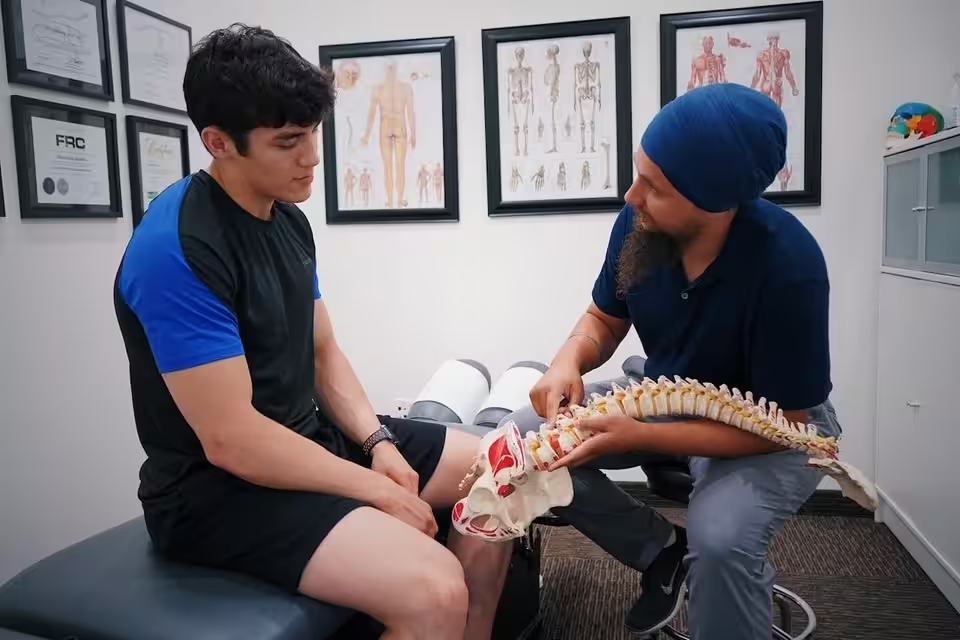

When back or neck pain keeps circling back, it’s natural to wonder what’s actually causing it. Often, it’s not one single thing. It builds quietly from daily movements and habits. That becomes more obvious in summer, when we tend to move more, sit less, and take on extra physical activities. In Fairfax, Virginia, people are outside more this time of year, whether it’s walking, gardening, or spending long hours at events. It’s common for pain to show up or get worse under these conditions. A spine specialist in Fairfax often starts by looking for those patterns, what sets the discomfort off, when it starts, and how it behaves during your day.
The Role of Lifestyle in How Pain Builds
Our spines respond to the things we repeat. If we sit a certain way for hours, avoid moving much during the day, or stay in one position too long, the body usually feels it in small ways at first. These habits don’t always hurt at the start, but over time, that stress builds.
Summer makes this even more noticeable. People tend to walk farther when the weather’s nice. We might bend down more for weeding the yard or stand for extended periods during local festivals or family events. All of it adds new pressure to our spines.
What surprises people most is how small changes can lead to discomfort. It may just be hiking farther than usual or working in the yard for an hour more than your back is used to. These shifts don’t always feel extreme in the moment, but those movements add up. The body gives little signals when something feels off. That’s where we start paying attention.
What a Spine Evaluation Typically Looks At
When someone comes in with recurring spine pain, we look beyond the obvious. It’s not just about the area that hurts, it’s about how, when, and why that discomfort shows up.
We may begin by asking simple, clear questions. Does your back feel tight when you wake up? Does the pain get worse when you walk or sit? Does lifting or twisting trigger anything? Understanding how pain behaves helps sort out whether the issue might stem from muscles, joints, or soft tissue.
We also pay attention to physical clues. The way someone stands, moves, or holds tension can sometimes tell us more than words. Small habits, like crossing one leg often or tilting slightly while sitting, may point to patterns building behind the scenes. When we look closely, we start to see how everyday movements contribute to the pain someone feels.
A spine specialist in Fairfax may focus on uncovering those patterns, especially during summers when activity increases and habits shift. Once we notice what movements trigger the pain, we can begin to understand what the body is reacting to.
Summer-Specific Pain Triggers Worth Watching
Summer makes people active in ways they haven’t been for months. While that’s mostly a good thing, it can highlight existing spine issues, or cause new ones to show up. Some of the most common summer habits that lead to discomfort include:
- Sitting in traffic for long periods during road trips
- Bending repeatedly while gardening or doing yard work
- Lifting heavy coolers, chairs, or beach gear without thinking about posture
- Standing too long at events or cookouts without shifting positions
These movements can strain the spine in quiet ways. You might not feel the effects immediately, but soreness might creep in later that evening or linger the next morning.
Other stressors are easy to miss, like not drinking enough water on hot days or skipping breaks during outdoor projects. If muscles are tight from heat or dehydration, or if the body gets placed under pressure too often in one weekend, that strain can stick around longer and spread to new areas.
Even small changes to your daily rhythm, like swapping a desk chair for a less supportive beach chair, can shift how the spine is supported. When people suddenly sit or move differently for a few days, the body may start speaking up.
If you look at your habits over the course of the summer, you might spot certain patterns that tie back to episodes of pain. Noticing these links is often the first step to figuring out how to minimize discomfort and support a healthier spine throughout the season. Over time, even little choices in how you lift, sit, or stand can make a difference in how your back feels each day.
Noticing Patterns Before They Turn into Bigger Problems
One of the most helpful things anyone can do is to start noticing when their pain shows up, and when it stays away. Tracking small patterns makes a real difference.
- Does your back hurt more after sitting in your car than after walking a short distance?
- Do specific parts of your daily routine, like unloading groceries or making the bed, trigger soreness?
- Does missed sleep make you feel tighter or more restricted in your neck or lower back the next day?
Paying attention to the answers can help identify which parts of your routine might be making things worse. Once you know what sparks the problem, it’s easier to notice early signs the body gives.
Body awareness doesn’t mean being overly cautious. It just means being curious. Feeling tight while tying your shoes one day might not mean much, but feeling that same tension every other morning could be a warning sign. A small shift in posture or repeated movement without support can quietly build stress in the spine, which grows hard to ignore if patterns go unchecked.
When people stay alert to how their bodies react, they often see options earlier. That makes changes easier.
If you adapt your daily activities based on what your body is telling you, that’s often a good sign you’re paying attention. By handling new movements more gently or adjusting your routine when soreness first appears, you can sometimes prevent bigger issues later in the season.
When Paying Attention Now Pays Off Later
Summer brings more opportunities to move, connect, and enjoy. But we find it’s also the season when the body gives clearer feedback about what it’s ready to handle and what it’s not.
By taking note of how your spine feels during these changes, you create space to respond before things grow harder to manage. Identifying triggers early helps support greater long-term comfort and movement.
Local routines in Fairfax shift during summer. Energy levels change, activity rises, and every small adjustment creates new inputs on the spine. That makes this season a good time to listen closely, because how we treat our bodies now affects how they’ll respond when cooler months arrive again.
The way you adapt your habits, whether responding to a new ache, adjusting your posture, or simply breaking up long periods of sitting, can help set a pattern for better spine health in the months to come. Recognizing spine stressors unique to your daily life, especially in the context of summer movement, gives you insight into what your body might need more or less of going forward. Over time, these bits of attention add up, shaping a more comfortable experience throughout your day.
Find the Cause, Ease Your Summer
Noticing discomfort from certain movement patterns or lifestyle habits this summer is a signal to pay closer attention. We find that pinpointing everyday triggers is often the first step toward improving comfort throughout the season. Explore how a spine specialist in Fairfax evaluates pain patterns and the factors that influence them. At DMV Spine and Pain, we take the time to truly understand what your body may be telling you. If your spine seems to be asking for added support, reach out to us to discuss your next steps.