
Visiting a spine specialist can be a helpful step in understanding and managing your pain, especially when exploring non-surgical options. A spine specialist helps you discover meaningful methods to relieve discomfort without surgery. By seeing a specialist, you gain insight into various treatment choices, offering clarity and direction for your pain management journey. Many individuals who experience back or neck pain might feel uncertain about which treatment will best suit them, and consulting a specialist brings guidance that is both targeted and personalized to your needs. Understanding that surgery is not always necessary allows patients to pursue less invasive solutions first, giving them peace of mind and the opportunity for effective pain management.
Understanding the Role of a Spine Specialist
Spine specialists focus on treating spine-related conditions through non-surgical methods. This approach can be reassuring for those who want to avoid surgery. The specialist starts by carefully assessing your symptoms and history. This evaluation helps them develop a treatment plan suited to your specific needs. By conducting a comprehensive assessment, the specialist can determine the underlying causes of discomfort and rule out other potential issues. Patients often arrive with complex symptoms that have persisted over time, and a spine specialist applies both clinical experience and the latest diagnostic tools to understand the problem fully. The result is a treatment plan that is thoughtful, individualized, and adaptable as your condition evolves.
When dealing with issues like back pain and sciatica, having a professional guide can bring peace of mind. Spine specialists work with you to understand the nature of your pain and pinpoint what might be causing it. They listen to your concerns, ask questions about your symptoms, and observe how the pain impacts your daily life. Their expertise in non-surgical treatments means they can suggest options that can alleviate pain and improve your quality of life. It is comforting to have someone experienced leading the way, offering solutions that can reduce pain and increase comfort. In addition, a specialist recognizes that each patient’s experience is unique, and compassion is central to their approach throughout the evaluation and treatment planning process.
What Happens During Your First Visit
At your first appointment with a spine specialist, you can expect a thorough consultation process. This initial visit is key for setting the stage for effective treatment. It is important to discuss your medical history and current symptoms openly. Sharing details about your pain helps the specialist understand what you are experiencing and how best to help you. Clear communication makes it easier to identify patterns and evaluate how your pain has developed over time.
During this first visit, the specialist might perform some diagnostic evaluations. These might include physical examinations or imaging tests to get a clearer idea of what is happening with your spine. The physical exam may involve assessing your range of motion, muscle strength, reflexes, and areas of tenderness. Imaging studies, such as X-rays or MRIs, can provide valuable visual insight into any underlying conditions affecting the spine. Blood tests may also be considered in some cases to rule out infection or inflammation. The goal is to gather as much information as possible to tailor a treatment plan that is right for you. By collaborating with a spine specialist, you take the first step toward a carefully planned and thoughtful approach to managing your pain. Each element of the diagnostic process is designed to inform decisions about your care and support better outcomes.
Exploring Non-Surgical Treatment Options
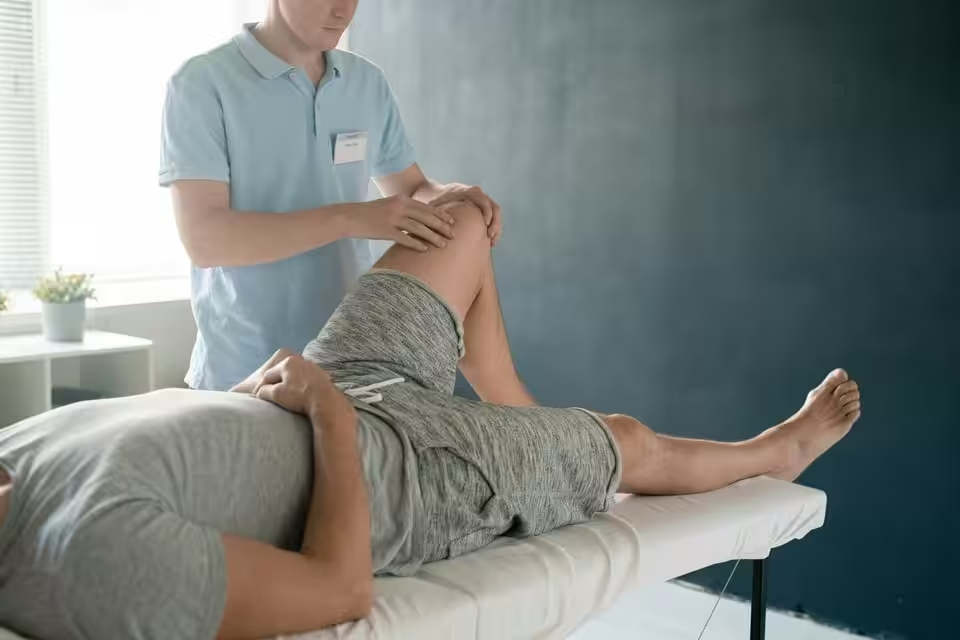
Once your spine specialist has a good understanding of your condition, they can introduce several non-surgical treatment options. These treatments can offer relief and improve your mobility without requiring surgery. Common recommendations include therapies like Platelet-Rich Plasma (PRP), physical therapy, and lifestyle changes. Often, a combination of therapies provides the best results, as the spine is a complex structure that benefits from a multifaceted approach.
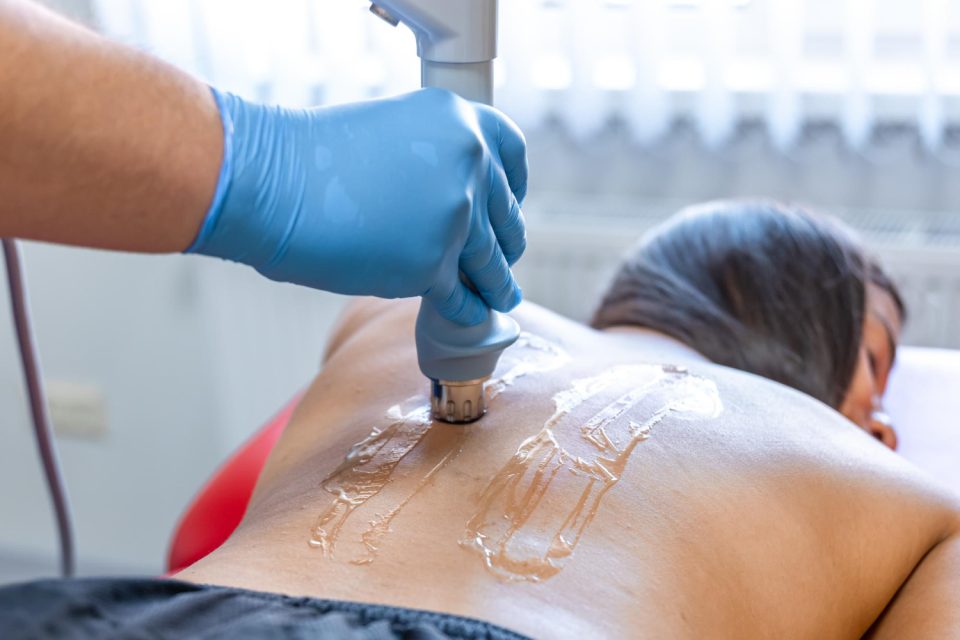
PRP involves using components from your own blood to help with healing, while physical therapy focuses on exercises and movements to strengthen your body and reduce pain. At DMV Spine and Pain, our team uses ultrasound imaging for precision during PRP injections, and our PRP treatment is available for conditions including degenerative disc disease, facet joint injuries, and chronic back pain when conventional therapies have not given complete relief. By integrating the latest advancements with tried-and-true therapeutic methods, spine specialists strive to support optimal healing and symptom relief.
Lifestyle adjustments, such as adopting new habits or modifying daily activities, can also play a significant role in managing discomfort. For instance, improved posture, ergonomic changes, and stress reduction techniques may all contribute to better spine health. Maintaining a healthy weight and integrating low-impact aerobic exercise into your routine can further reduce discomfort and prevent future problems. By considering these non-surgical paths, you can find ways to boost your physical health and manage pain more effectively.
Pain management strategies may also include structured home exercise programs, gentle stretching, or the use of assistive devices when needed. In some cases, non-opioid medications or topical treatments are considered to address inflammation or muscle spasms. Over-the-counter medications, such as acetaminophen and nonsteroidal anti-inflammatory drugs (NSAIDs), are commonly suggested. The specialist reviews your progress and monitors any changes in symptoms throughout your care.
Follow-Up Care and Monitoring Progress
After your initial treatment, follow-up visits with your spine specialist are important for ongoing progress. These visits allow the specialist to monitor your progress and make adjustments to your treatment plan as needed. Regular check-ins help make sure that the treatment continues to work well and fits your changing needs. The frequency and duration of these follow-up appointments depend on your response to the treatment and your personal goals.
During these follow-up visits, the specialist reassesses your pain levels, functional abilities, and discusses any concerns you may have. They may repeat physical assessments or order new imaging as your condition progresses. Ongoing evaluation ensures that even small improvements or setbacks are discussed and addressed. Sometimes, minor adjustments to the treatment plan, such as changing an exercise routine or revising the therapy approach, can make a significant difference.
Your interaction with the spine specialist is a partnership aimed at achieving the best possible outcomes for your health. Through these visits, you work together to address any changes or challenges that arise, making sure your treatment stays relevant and effective. This collaborative approach helps support a long-term commitment to wellness and helps maintain your quality of life over time. Consistent conversations allow for open dialogue, and your feedback shapes the direction of your care, leading to improved satisfaction and overall health.
Ongoing support can help you maintain the gains you have achieved and minimize the risk of recurring discomfort. Education on injury prevention and healthy habits forms a key part of this process. For many, developing a supportive routine and tracking progress can provide motivation and confidence in managing spinal health for years to come.
Embracing a Path to Relief and Recovery
Visiting a spine specialist is a step forward in understanding and managing your spinal health. The insights gained and the treatment plan offered can bring real relief. By focusing on non-surgical options, you can manage pain in a way that works for your lifestyle. Each positive change supports your well-being and opens the door to a more active, fulfilling life.
Starting a healthier, more active life means making informed choices and getting professional help. With support from a spine specialist, managing pain and improving mobility can become more achievable and help you move toward a more comfortable future. Finding the right care and committing to the process contributes to long-lasting benefits, including reduced pain, greater mobility, and renewed confidence. The guidance you receive serves as a strong foundation for continued improvement.
At DMV Spine and Pain, we understand the importance of finding effective solutions for managing spinal health. Our focus on non-surgical treatments, such as Platelet-Rich Plasma therapy, allows us to provide personalized care that aligns with your lifestyle and health goals. Our team is dedicated to supporting you on your path to relief and recovery by offering insights and treatments designed to improve your quality of life. To explore non-surgical options for spine care, contact us today to discuss your needs and how we can assist you.