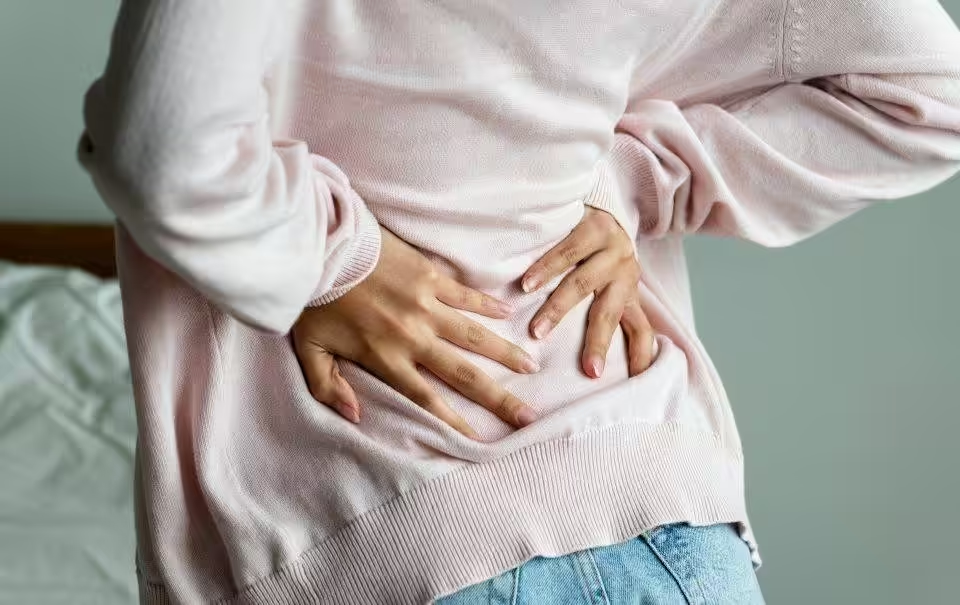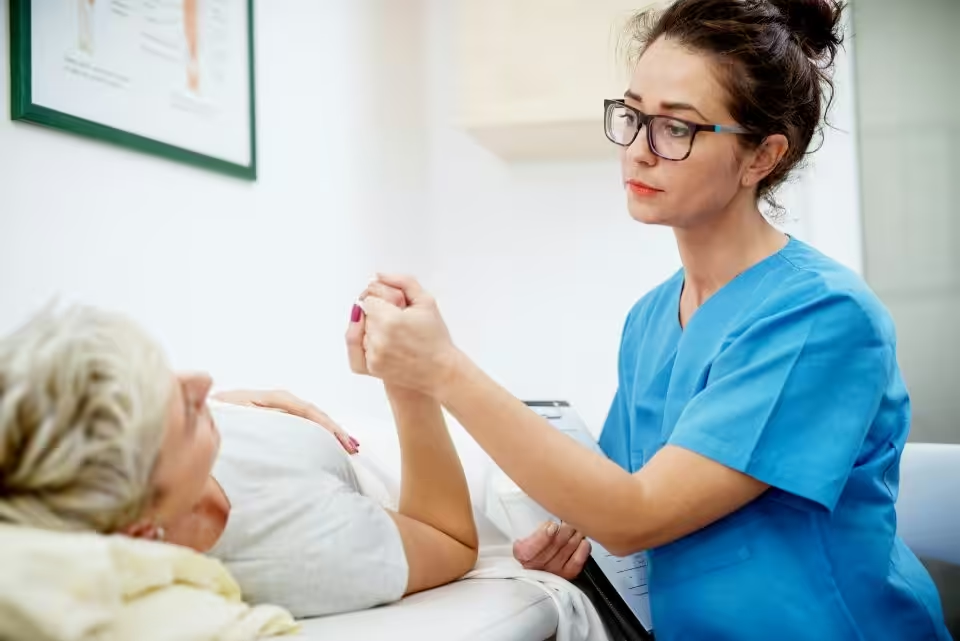

As more people in Sterling consider alternatives to opioid pain management, non-opioid options are gaining attention. One such promising approach is Platelet-Rich Plasma (PRP) therapy, a non-surgical option that offers a different way to handle pain. By focusing on non-opioid methods, individuals can find ways to manage their discomfort without relying on traditional pain medication. Increasing awareness of non-opioid treatment methods is important, especially for those looking for safe and sustainable strategies for pain relief.
Understanding Non-Opioid Pain Management
Non-opioid pain management involves using methods that do not include opioids for treating pain. The opioid crisis has highlighted the need to explore alternative pain relief methods, and PRP therapy has emerged as a part of this solution. It offers a way to manage pain by using the body’s natural healing abilities.
Non-opioid therapies may include physical therapy, exercise, acupuncture, and therapies like PRP. Many individuals now seek these alternatives to minimize the risks that can come with long-term use of opioid medications.
PRP treatment involves using a concentration of a patient’s own platelets to promote healing and reduce pain. This approach can be particularly effective for those looking for a non-surgical way to address their pain. By using PRP, individuals have the opportunity to explore pain relief options that do not involve the risks associated with opioid use.
At DMV Spine and Pain in Sterling, we offer PRP as part of our regenerative medicine services. The procedure is performed with ultrasound-guided precision to improve accuracy and maximize results. PRP therapy is considered for patients with musculoskeletal pain, joint conditions, sports injuries, and chronic spine issues when other conservative therapies have not delivered adequate improvement.
Dr. Harper and his team explain the PRP process to every patient, ensuring that all concerns and questions are addressed before beginning treatment. Before the procedure, your eligibility and health history will be reviewed. This helps determine whether PRP is appropriate for you and ensures the best chance for a positive outcome.
How PRP Therapy Works for Pain Relief
PRP therapy begins with drawing a small amount of a patient’s blood, which is then processed to concentrate the platelets. This concentrated plasma is injected into the area experiencing pain. The goal is to stimulate the body’s healing processes, reducing inflammation and promoting tissue repair.
PRP is commonly used to treat conditions such as joint pain and musculoskeletal issues. It provides an option for individuals who might be dealing with chronic pain in areas like the knees, elbows, or shoulders. The therapy is aimed at helping the body recover more efficiently, offering an alternative to more invasive procedures.
The process is relatively simple and typically takes less than an hour. After the blood is drawn, it is placed in a centrifuge, which separates the platelets from other blood components. The resulting PRP is rich in growth factors, which are critical for the healing process. Once injected, PRP may begin to promote tissue recovery and help manage inflammation at the site of injury or chronic pain.
Most patients can return to normal activities shortly after treatment, although some may experience mild soreness at the injection site. Over time, many experience gradual improvement in function and reduction of pain, often with continued benefits from repeat treatments as recommended by their doctor. PRP is valued for being minimally invasive and for encouraging the body’s own healing response.
Benefits of Choosing PRP Over Opioids
There are several benefits to using PRP therapy instead of opioids for pain management. One major advantage is the reduced risk of dependency. Opioids can present significant risk factors, including the potential for addiction. PRP therapy, on the other hand, offers a way to manage pain without these concerns.
• Reduced risk of dependency compared to opioids.
• Potential improvements in mobility and overall quality of life.
• A sustainable pain management strategy without the side effects associated with traditional pain medications.
Because PRP uses your own blood, the risk of allergic reactions or rejection is very low. The minimally invasive procedure typically allows for a quick recovery and return to regular activities.
In addition, PRP can often reduce or eliminate the need for medication-based pain relief altogether. For individuals concerned about medication side effects, tolerance, or long-term consequences, PRP presents a promising path. By focusing on the body’s healing abilities, patients are able to take an active role in their health and recovery.
Choosing PRP allows individuals to look beyond medications that can have long-term consequences. It provides a way to address pain naturally, prompting the body to heal itself. This approach aligns with a growing interest in patient-centered, non-pharmacological pain solutions.
Evaluating PRP Therapy for Residents in Sterling
For those living in Sterling, finding PRP treatments can be a practical step toward managing pain. Residents have access to professionals experienced in administering this type of therapy. It is important to consult with specialists who are familiar with PRP to see if it is the right choice for your particular needs.
When considering PRP, one can ask about the availability of treatments and seek out qualified providers in the Sterling area. Choosing a knowledgeable provider is important when using PRP therapy. It allows the treatment plan to be matched to your specific condition and goals.
Our practice performs a thorough assessment, including reviewing your medical history and current symptoms, to determine if PRP is an appropriate step. For many in Sterling hoping to avoid medication dependence, the availability of evidence-based alternatives for chronic pain makes PRP therapy a valuable option.
Patients in Sterling appreciate having access to PRP and other regenerative treatments that support long-term mobility and health. Learning how PRP therapy may fit into an overall pain management plan helps individuals take proactive steps. Those interested in PRP are encouraged to discuss personal goals, expectations, and any potential risks with their provider to arrive at a plan that suits their lifestyle.
Moving Toward a Healthier Future with PRP
By choosing PRP as a non-opioid option for managing pain, individuals can look forward to more positive outcomes. The ability to tackle pain management in a way that aligns with personal health goals is empowering. With PRP, you have the potential to improve your well-being while decreasing reliance on traditional medications.
Embracing PRP therapy offers a path toward improved health and comfort. As new ways to manage chronic pain are considered, PRP stands out as a meaningful choice. It opens up possibilities for a healthier, more active life without the burden of dependencies that may come with other options.
Small steps can lead to significant improvements over time, and considering non-opioid therapies like PRP may be the first step toward that change. Whether dealing with a recent injury or long-term discomfort, patients in Sterling now have additional options for support. PRP continues to earn recognition as an important choice within modern pain management.
At DMV Spine and Pain, we are dedicated to supporting your non-opioid pain management goals with innovative, non-surgical solutions. Our team is committed to your health, comfort, and well-being. Learn more about our Platelet-Rich Plasma treatments and how they may support your quality of life. Contact us today for more information.