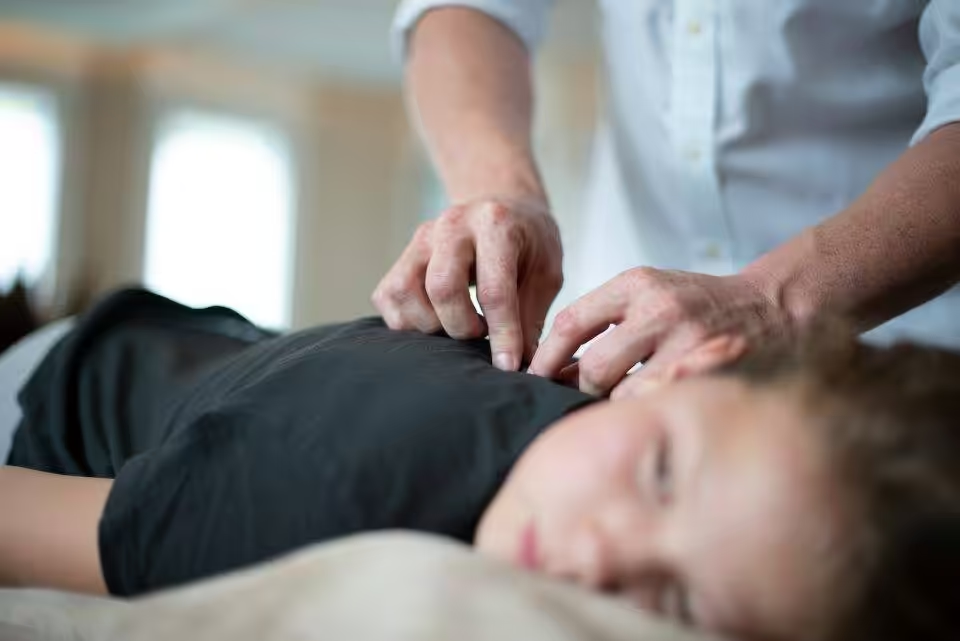

Regenerative spine care is more than just a buzzword in medical treatments. It represents a shift to therapies that help the body heal itself naturally, which can be appealing for those seeking non-surgical options. In Fairfax, regenerative therapies like Platelet-Rich Plasma (PRP) are becoming popular choices for spine care. PRP stands out due to its potential to help with recovery without the need for traditional surgeries. By supporting the body’s natural healing process, regenerative therapies open up new possibilities for those dealing with spine issues. Let’s see how PRP fits into this field.
Understanding Regenerative Spine Care
Regenerative medicine is a forward-thinking approach to healthcare, focused on healing and repairing tissues naturally. When applied to spine care, it creates opportunities for recovery without surgical methods that many people want to avoid. The key is using the body’s own cells to restore function, which can lead to better outcomes. Traditional surgeries often mean long recovery times and bring extra risk. Regenerative therapies like PRP help healing with less intrusive options.
Regenerative medicine draws from the field of biology and cellular science, seeking to use the natural elements within the patient’s body for therapeutic effect. Instead of relying on medications meant to relieve symptoms, these methods look to resolve the underlying cause. When it comes to spine health, where chronic discomfort and limited movement can be persistent, focusing on regeneration gives hope to those who have struggled for answers elsewhere.
For many people, regenerative treatments appeal because they focus on healing and renewal from within. These treatments work to boost the body’s natural ability to repair itself and aim to make life better for patients. The idea is simple but powerful: use what is already in our bodies to help mend injuries. This makes sense in spine care, where spinal health calls for new solutions.
Another important aspect of regenerative medicine for spine care is the focus on minimally invasive solutions. Many patients find that even with imaging and diagnostic tests, conventional treatments may offer only temporary improvement. In contrast, regenerative approaches can deliver gradual, longer-term benefits through a process that works in harmony with the body. This patient-centered approach involves close collaboration with healthcare providers, ensuring that each recommended therapy is suited to the individual’s needs and health history.
The Role of PRP in Spine Care
PRP therapy shows the main idea of regenerative medicine by turning blood into a healing tool. The process starts with a basic blood draw. The sample is spun in a centrifuge to concentrate the platelets. These platelets, full of growth factors, are then injected right into the part of the spine that needs care.
At DMV Spine and Pain, our PRP treatments are performed using ultrasound imaging for precise injection placement, supporting safety and outcomes. PRP therapy is also often considered for specific conditions such as degenerative disc disease, spinal facet injuries, and chronic back pain when other therapies have not given complete relief.
The use of a patient’s own platelets means that the risk of an immune response or rejection is extremely low. For patients wary of synthetic materials or external substances, this can be reassuring. The PRP procedure integrates seamlessly into routine clinic appointments, requiring only a short visit. Most can return home the same day and are able to carry on their regular responsibilities soon after.
The procedure itself is simple and usually happens in an outpatient setting without long hospital stays. People like the focus on natural healing, knowing that PRP comes from their own blood. This can lower the chance of unwanted reactions that other treatments might bring.
What sets PRP therapy apart is the personalized aspect of care. The dosage, site of administration, and even the pace of follow-up can be adjusted to match each individual’s needs. This adaptability allows for unique treatment plans that align with the specific condition and recovery goals. PRP therapy draws interest because it can offer relief and help recovery without cuts or lengthy downtime that comes with surgery. Results are different for everyone, but many people see PRP as an important step in their spine health. The way the body recovers with PRP matches the body’s own rhythm, letting people avoid the stress of traditional methods.
What to Expect When Considering PRP
If you are thinking about PRP for spine problems, knowing how the process works can help ease any concern. First, there is a full assessment to check your spine health and see if PRP is a good option. At this step, health professionals look at your condition, symptoms, and total health.
The consultation involves discussing your previous treatments, reviewing imaging studies (such as MRIs or X-rays if available), and understanding your daily activity levels and goals. This personalized review assists the medical provider in determining if PRP is appropriate, or if alternative therapies should be considered first. Every individual has unique health factors, so taking the time for a careful evaluation is key to success.
A normal PRP treatment session in Fairfax starts with a blood draw and then prepares the PRP solution. The injection is usually quick, often done in less than an hour. Some people may feel discomfort during the injection, but many say it is manageable.
Following a PRP procedure, most patients experience only minor discomfort at the injection site. The healing response unfolds over weeks to months, reflecting the natural pace of tissue repair. The actual timeline will depend on the nature of the spinal issue being addressed and your overall health status. During the recovery period, most daily activities can be resumed without delay, though your provider might recommend limited activity for the first day or two.
Consultations before treatment help set clear expectations and make sure the approach fits your needs. This attention to each patient helps keep recovery and healing running as smoothly as possible. The aim is always a return to comfort, mobility, and an improved quality of life. After treatment, some may have mild soreness, but the short recovery period means you can return to usual activities quickly.
Local Experiences and Success Stories
In Fairfax, people’s growing interest in PRP therapy shows positive feelings toward regenerative treatments. Many share good experiences, mentioning improved movement and less discomfort. Each person’s result is unique, but these stories show a trend of growing trust in PRP and similar treatments.
There is a growing sense in the community that options like PRP are opening up promising new directions for spine care. Testimonials from patients reveal the satisfaction of addressing spine concerns with a method that relies on their own biology. Reports from local healthcare providers indicate a steady increase in the number of people choosing regenerative approaches, suggesting a lasting impact in the area.
Hearing from people in Northern Virginia who have tried PRP gives a real-world view of what the treatment is like. Some people are glad to avoid surgery, while others like the natural approach to healing. Stories shared by local residents may inspire others to take a new look at ways to care for their spine.
Storytelling is an essential part of making science real and accessible. Through community word-of-mouth and direct feedback, awareness of PRP’s potential spreads quickly, motivating others to pursue the idea of regenerative, patient-centered care.
Exploring a Future with Non-Surgical Spine Care
Non-surgical care like PRP is helping shape new options for spine health that do not come with the difficulties of surgery. As more people notice these alternatives, more choose them for better quality of life.
The future of spine care is increasingly likely to offer individualized, comprehensive treatment paths, using regenerative therapies as a cornerstone. As new studies are carried out and techniques refined, options for patients in Fairfax grow even further. Many find reassurance in knowing that more choices exist beyond surgery alone, allowing treatments to be tailored to each person’s needs and preferences.
As regenerative care options like PRP are used more often, people looking to avoid invasive procedures may find the help they need. This movement to non-surgical care gives hope for better spine health in Fairfax and in other places as more people become aware of the results.
If you are currently seeking options for spine care and want to avoid surgery, keep in mind that non-surgical alternatives are available and supported by many local professionals. Staying informed and having open conversations with your healthcare provider will help you decide if PRP or another regenerative approach could be right for your situation.
Discover how regenerative medicine like Platelet-Rich Plasma (PRP) therapy can help improve your spine health with DMV Spine and Pain. We focus on non-surgical solutions and use natural healing methods to support your quality of life. Contact our team to learn more or talk about your needs today.