

What to Know About Platelet-Rich Plasma Therapy in Northern Virginia
Finding non-surgical solutions for painful joints, nagging injuries, and limited mobility is a top priority for many people throughout Northern Virginia. That is where regenerative medicine, and specifically Platelet-Rich Plasma (PRP) therapy, makes a meaningful difference. At DMV Spine and Pain, we offer PRP therapy as part of a comprehensive approach designed to reduce discomfort, improve function, and enhance long-term mobility for those dealing with ongoing musculoskeletal pain or injury.
What Is Platelet-Rich Plasma (PRP) Therapy?
PRP therapy is a type of regenerative treatment that utilizes elements from your own blood to promote tissue healing in targeted areas. The focus lies in platelets, which are small components in the blood that release growth factors essential for repairing tissue. By concentrating these platelets and injecting them into areas of injury or degeneration, PRP Therapy supports the body’s natural recovery process.
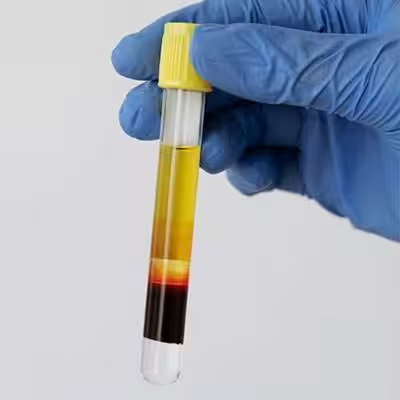
The procedure begins by drawing a small amount of your blood. It is then processed using a centrifuge to isolate the platelet-rich plasma. This concentrated PRP is carefully injected into the affected joint, tendon, or soft tissue with precision. Most patients tolerate the process very well and return home shortly afterward with minimal disruption.
Since PRP uses your own biological material, the risk of allergic reactions or complications is much lower than treatments using synthetic substances. It is often considered when standard therapies have not provided lasting relief.
How the PRP Process Works
The steps involved in PRP treatment are straightforward and typically completed during a single outpatient visit:
- Blood is drawn from the patient.
- The sample is centrifuged to isolate the platelet-rich plasma.
- The targeted area is sterilized and may be numbed with local anesthetic.
- The PRP is injected into the injured area with imaging guidance if needed.
After the injection, some soreness and inflammation at the site is normal and signals the beginning of the healing response. Most people resume their usual activities soon after while avoiding overexertion.
Conditions Treated with PRP Therapy
At DMV Spine and Pain, we offer PRP treatment for various joint and soft tissue conditions, especially when inflammation or tissue wear contributes to ongoing symptoms. Common areas treated include:
- Knee osteoarthritis
- Shoulder osteoarthritis
- Hip joint pain
- Low back pain from the sacroiliac or facet joints
For instance, someone experiencing knee pain that has not resolved through medications, rest, or steroid injections might be a good candidate. PRP is positioned between conventional care and invasive procedures like surgery and may offer longer-lasting support than temporary relief strategies.
What to Expect After PRP Therapy
Post-treatment soreness typically peaks within the first few days and gradually decreases. The healing process generally has three key stages: inflammation, tissue remodeling, and tissue strengthening. The duration and outcome often depend on lifestyle, age, underlying health, and how well the patient follows post-treatment recommendations.
Some patients may be advised to resume physical therapy, avoid high-impact sports, or modify activity levels to optimize results. Small steps like walking instead of running or incorporating more rest days can make a difference while tissue heals.
Preparing for PRP Therapy
To help your body respond to PRP more effectively and avoid disrupting platelet activation, follow these common preparation guidelines:
- Avoid anti-inflammatory medications (NSAIDs) for two weeks before and after treatment.
- Inform your provider if you are taking corticosteroids or blood thinners.
- Let the team know if you are sick, have an infection, or are receiving immune-suppressing treatment.
- Share any medical or religious concerns so care can be individualized.
The more your provider knows about your overall health, the better your outcome can be.
Understanding Costs and Insurance Coverage
PRP treatments are generally self-paid procedures, as insurance does not typically cover regenerative therapies. DMV Spine and Pain can assist with documentation, should you wish to check if your Health Savings Account or insurance plan offers reimbursement.
Knowing the cost before beginning treatment is important. Our team is ready to review all financial information with you and explain what is included in your plan of care.
Who May Benefit from PRP Therapy
People seek PRP for a variety of reasons. Some are hoping to delay surgery or reduce pain without medication. Others are frustrated by the short duration of relief after cortisone injections. Many patients are also interested in treatments that harness their own body’s healing potential.
Imagine an active adult with chronic ankle discomfort that started years ago with a sports injury. Physical therapy helped but did not fully resolve the problem. In this case, PRP could offer another pathway forward—one that prioritizes long-term healing.
Personalized Regenerative Care at DMV Spine and Pain
At DMV Spine and Pain, our physicians create treatment plans based not just on diagnoses but on your full health picture. We care for patients across Northern Virginia and the Greater DC area, offering forward-thinking therapies that reflect the evolving landscape of non-surgical pain management.
Every person is different, and so is every injury. That is why our team focuses on collaboration, education, and transparency.
Don’t wait until your pain limits your daily life. Platelet-rich plasma therapy in Northern Virginia may be the solution that gets you moving again without surgery or medications. Contact DMV Spine and Pain today to book your consultation and start the recovery you deserve.