

Understanding Genicular Nerve Blocks and Ablation for Knee Pain Management
Living with chronic knee pain can make even the smallest tasks feel overwhelming. For people who have tried different medications or therapies without long-term relief, minimally invasive options like a genicular nerve block or radiofrequency ablation may provide a new path forward. These targeted procedures interrupt the pain signals sent from the knee to the brain, helping reduce discomfort and restore function without surgery.
At DMV Spine and Pain, we specialize in non-surgical pain management strategies, particularly for patients struggling with recurring or worsening joint pain. With convenient clinics in Sterling and Fairfax, we support patients throughout Northern Virginia and the Greater Washington DC area with individualized care plans built around effective, evidence-based treatments. One of the most promising options we offer for ongoing knee pain is the genicular nerve block or ablation.
When Is Genicular Nerve Block or Ablation Recommended?
These procedures are typically recommended when more conservative measures like physical therapy, over-the-counter pain medication, or corticosteroid injections have failed to provide lasting relief. Ideal candidates may include individuals with:
- Osteoarthritis that causes joint stiffness and limited mobility
- Chronic knee pain following joint replacement surgery
- Ongoing knee pain that disrupts daily activities and quality of life
A genicular nerve block is often used first to determine if numbing the genicular nerves helps reduce pain. If a patient reports significant relief, radiofrequency ablation may be considered for longer-term results.
How the Procedure Works
Both the block and the ablation target the genicular nerves around the knee joint. These nerves do not control motion but are responsible for transmitting pain signals. By targeting the source, we can calm or disrupt these signals and bring relief.
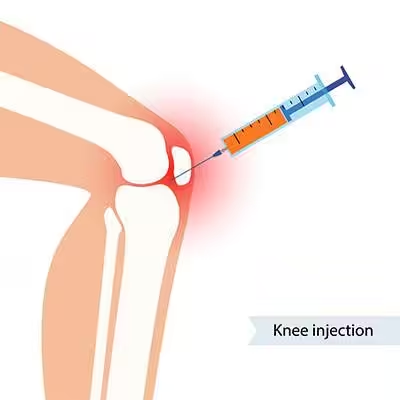
The block involves injecting a small amount of local anesthetic near the genicular nerves using real-time imaging. This outpatient procedure takes less than an hour, and patients are monitored briefly before being discharged. If the test block is successful, the next step could be radiofrequency ablation.
In the ablation procedure, a specialized device emits heat to deactivate the same nerves. This treatment also uses image guidance and is minimally invasive. Most patients receive it under local anesthesia and report only minor soreness during recovery.
What to Expect Before, During, and After the Procedure
Before scheduling a genicular nerve block for knee pain, your physician may ask you to stop certain medications or provide imaging of the knee area. During the procedure, you will lie on your back as a provider performs the injection or ablation using fluoroscopic or ultrasound guidance. The treatment is performed in-office and does not require sedation.
Most patients go home shortly afterward with instructions to rest for the remainder of the day. Some may feel immediate relief, while others notice improvements over the following days. The results of a successful nerve block also help your care team determine whether radiofrequency ablation is the right next step.
Recovery from ablation takes a bit longer and may include temporary soreness or stiffness around the knee for several days. Still, patients who respond well often report improved mobility and steadier, more reliable pain relief.
Frequently Asked Questions About Genicular Knee Nerve Blocks and Ablation
How long does the procedure take?
The block is typically completed in under 30 minutes, with your total visit lasting under an hour.
Do I need someone to drive me?
Yes. Even if you feel fine afterward, someone should drive you home the day of the procedure.
How long do results last?
Relief from a diagnostic block may be short-term, but if ablation follows, results can last several months or longer.
Will my insurance cover it?
Coverage will depend on your plan and provider. It is important to contact your carrier ahead of time for confirmation.
Is the procedure painful?
Patients typically report mild discomfort. Most feel only a pinch or brief pressure during the injection process.
Treatment That Puts You First
If you are tired of knee pain stopping you from doing what you love, acting now could be the first step in getting back to the activities that give your life joy and energy.
If you’re ready to explore lasting relief, a genicular nerve block for knee pain could be the solution you need. Don’t wait—schedule your consultation with DMV Spine and Pain today and get the care your knees deserve.