

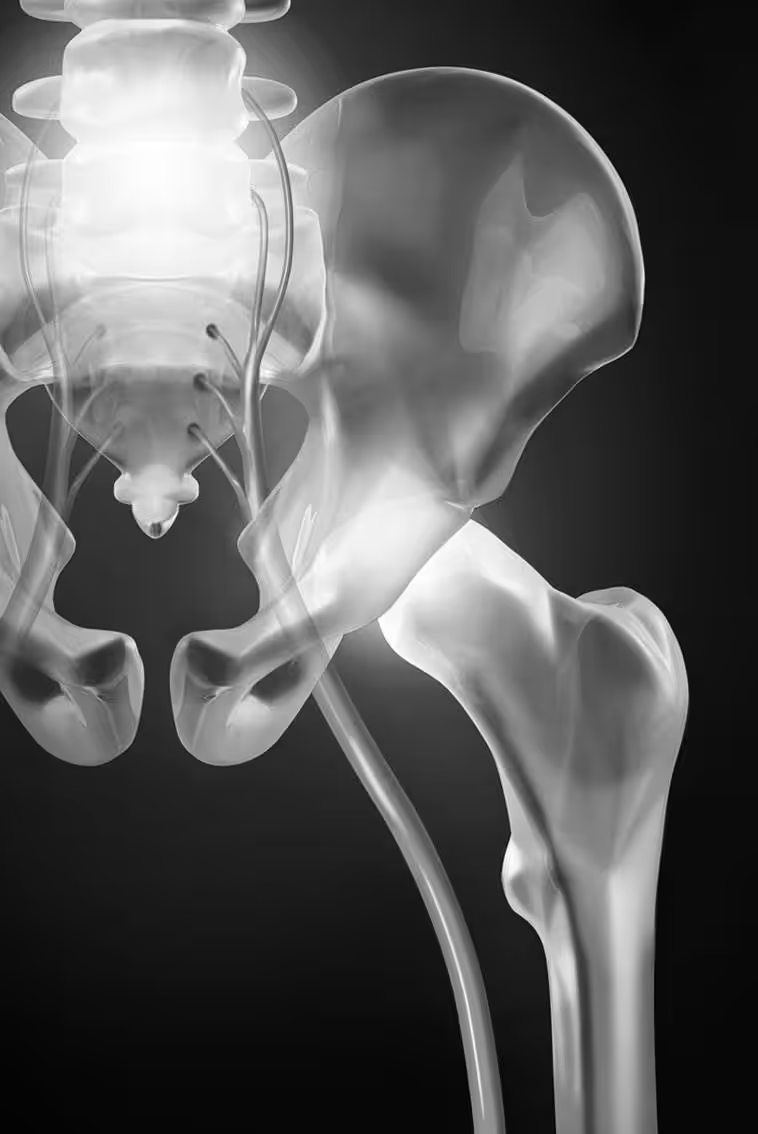
Understanding Bursitis and How It Affects Your Joints
Pain in your hip, knee, or shoulder can make simple daily tasks uncomfortable or even impossible. If your joints feel swollen, stiff, or painful with movement, bursitis could be the cause. This condition develops when the bursae, which are small fluid-filled sacs that cushion your joints, become inflamed. Bursitis most often affects joints exposed to repetitive motion or prolonged pressure.
In Northern Virginia, many individuals experience bursitis without realizing it. From workplace habits to recreational activities, joint stress accumulates over time. Left unchecked, bursitis may become persistent. Recognizing symptoms early and getting the right support can help ease discomfort and improve mobility.
Causes and Common Areas Affected
Bursitis can arise from a variety of causes. Repeated motion, direct pressure, injury, or even infection may lead to inflammation. The condition typically targets overused areas of the body. Common locations include:
- Hip: Pain felt on the outer thigh or buttocks, often intensifying when lying on the affected side.
- Knee: Swelling or discomfort around the kneecap or near it, especially after bending or kneeling.
- Shoulder: Pain when lifting your arm, reaching above your head, or lying on that side of your body.
For example, a tradesperson, gardener, or contractor who kneels frequently may notice a dull ache that gradually worsens. Once the bursa becomes inflamed, joint movement becomes painful and restricted.
Recognizing Possible Symptoms
Bursitis symptoms often mimic those of other joint problems, so a medical evaluation is important. Watch for:
- Aches that worsen with joint movement or pressure
- Localized tenderness
- Swelling or a warm sensation over the joint
- Stiffness, particularly after periods of rest
Minor cases might improve temporarily with rest or the use of ice. But when symptoms persist or return frequently, it is time to seek care. Both physically active and sedentary individuals are vulnerable to bursitis, which tends to interfere with comfort throughout the day.
How Diagnosis Works
A thorough evaluation is generally enough to identify bursitis. This includes reviewing your medical history and assessing how well your joint moves. Some cases require imaging, such as X-rays or ultrasound, to check for damage, inflammation, or to rule out other conditions.
Accurate diagnosis is essential for tailoring a treatment plan that works. Since bursitis shares signs with other joint disorders, clearer insight speeds up proper care and recovery.
Non-Surgical Care and Conservative Relief
Initial treatment for bursitis aims to reduce inflammation and limit further irritation. Conservative care focuses on strategies that relieve discomfort while promoting healing without surgery. Adjustments in daily activities can also take pressure off the joint, allowing time for recovery.
Common recommendations may include:
- Rest or modified activity
- Applying ice several times a day
- Use of nonsteroidal anti-inflammatory medication (NSAIDs) as directed
- Physical therapy for strengthening and joint support
These conservative methods work well for many patients and help minimize the risk of future episodes. The goal is restoring comfort and movement while protecting the joint.
Targeted Pain Management for Recurring Cases
When conservative treatments don’t offer long-term relief, more targeted remedies may be needed. Interventional techniques focus on reducing pain at the source.
At DMV Spine and Pain, image-guided injections are available to deliver medication directly to the inflamed area. Depending on the severity and location of your bursitis, other minimally invasive options may be recommended. These non-surgical interventions are intended to restore function, reduce pain, and prevent further inflammation.
Managing Bursitis for the Long Term
Bursitis can fade over time or become a recurring concern. Identifying contributing activities and improving your routine are key to long-term management. Prevention strategies typically emphasize movement awareness and physical conditioning.
Making lifestyle adjustments such as improving posture, using protective gear for repetitive work, or doing targeted exercises can greatly reduce recurrence. Discussing sustained strategies with a provider is the best way to manage flare-ups and stay active.
Personal Care in Northern Virginia
DMV Spine and Pain treats bursitis and other joint-related conditions across Northern Virginia and the Greater Washington DC area. With offices in Sterling and Fairfax, our clinic offers non-surgical approaches designed to meet each patient’s individual needs and restore functional movement.
Our team is committed to understanding how pain affects your daily life. We personalize care plans to target the root of the problem, avoid unnecessary treatments, and help you regain control of your body. From evaluation to recovery, we take each step with you.
If joint pain is slowing you down, don’t wait. Get lasting relief now with expert guidance focused entirely on your needs. Explore our comprehensive approach to bursitis treatment in Northern Virginia and schedule your visit today. Relief starts here.