

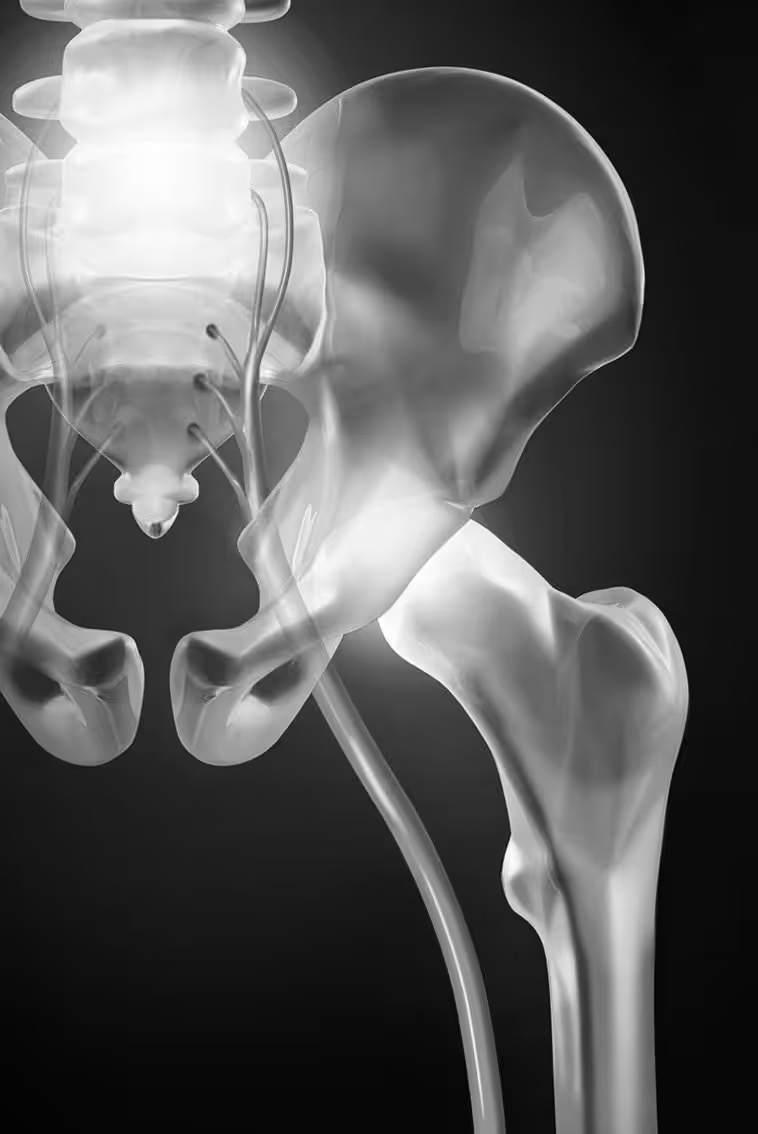
Understanding Low Back Pain, Sciatica, and Spinal Stenosis
Living with back pain, sciatica, or spinal stenosis can interrupt just about every part of your daily life. From walking and sleeping to getting out of a chair, these conditions can keep you from doing what you love. For many people across Northern Virginia, managing these spine-related issues without surgery is a top priority.
At DMV Spine and Pain, our care team takes a focused, evidence-based approach to non-surgical pain management. We tailor every treatment to the patient’s unique symptoms and goals. From your first exam to the creation of your care plan, our mission is to help you move with less pain using options that work with your body.
Common Causes of Low Back Pain
Low back pain is one of the most frequent reasons people seek medical care. While many assume it’s caused by something serious, most low back pain is due to strain or overuse. Lifting improperly, sitting for extended periods, or even long periods of standing can aggravate the lower spine.
Common risk factors Include
- Physically demanding jobs
- Poor posture and weak core muscles
- Excess body weight
- Anxiety or stress
- Sedentary lifestyle
- Smoking and reduced blood flow
That said, structural issues like herniated discs, arthritis in the spine, or aging-related changes can also play a role. These underlying causes can lead to long-term discomfort if not managed effectively through proper care and prevention strategies.
Sciatica: Radiating Pain That Demands Attention
Unlike typical lower back pain, sciatica is nerve-related. It begins in the lower spine or buttocks and travels down one leg, along the path of the sciatic nerve. It often shows up as a sharp, burning sensation that might include tingling, numbness, or weakness in the leg.
The most frequent cause is a herniated or bulging disc pressing against a nerve root. Other causes include spinal stenosis or conditions like piriformis syndrome. Many people with sciatica find that certain postures, prolonged sitting, or standing can quickly aggravate symptoms.
Treatment focuses on relieving the pressure on the nerve and correcting the root issue without surgery. Our approach at DMV Spine and Pain is centered on non-invasive options backed by clinical results.
Spinal Stenosis: A Common Culprit in Older Adults
Spinal stenosis happens when the space surrounding spinal nerves becomes too narrow. While it can occur at any age, it is most common in people over 60. Compression on the nerves can cause aching or even a heavy sensation in the legs, especially while walking or standing upright.
Many patients describe relief after sitting down or bending forward slightly. Age-related factors like arthritis or degenerative disc changes are typical causes. Conservative treatments such as guided exercise therapy and targeted injections can go a long way in avoiding surgery and preserving mobility.
Diagnosing Low Back Pain the Right Way
A thorough diagnosis is the first step toward managing your pain effectively. At DMV Spine and Pain, your visit begins with a deep dive into your symptoms, history, and lifestyle habits. Your provider will perform a hands-on exam to check for any signs of nerve involvement or muscular irritation.
If symptoms persist or include numbness and weakness, advanced imaging like an MRI may be recommended to assess disc problems, nerve compression, or spinal narrowing. When needed, additional tests can rule out other contributors such as diabetes or peripheral neuropathy.
Treatment Options That Don’t Involve Surgery
Most people dealing with low back pain, sciatica, or spinal stenosis can recover or find relief without surgical intervention. At DMV Spine and Pain, we provide a carefully chosen set of treatments tailored to your diagnosis. Our non-surgical options include:
- Physical therapy that builds strength and improves flexibility
- Epidural steroid injections to reduce nerve inflammation
- Sacroiliac joint injections for precise pain relief
- Radiofrequency ablation that targets and calms irritated nerves
- Trigger point and piriformis injections for muscular pain
- Platelet-rich plasma (PRP) therapy to stimulate natural healing
- Spinal cord stimulation in select cases of chronic pain
Because every patient responds differently to pain and treatment, we develop individualized plans that may combine multiple therapies. If your pain persists more than a few weeks without progress, next steps such as surgical evaluation may be discussed, especially if there is a clear structural cause.
Why Northern Virginia Chooses DMV Spine and Pain
Living with spine-related pain makes even daily routines harder. When symptoms hang on or get worse, it is time to pursue care designed for long-term improvement. At DMV Spine and Pain, many of our patients come to us seeking second opinions or after trying other standard treatments.
Our team offers a personalized approach that considers both the pain and the factors that drive it, from posture and biomechanics to age-related degeneration. We work closely with you to build a plan that is not only medically sound, but realistic for your lifestyle.
Whether you are just starting your search for relief or are ready for a more focused care plan, DMV Spine and Pain is here to help you move forward with less pain and more stability.
If your symptoms are holding you back, don’t wait for things to get worse. Get answers and real solutions now. Schedule your consultation today and explore the most effective low back pain treatment in Northern Virginia, and take the first step toward lasting relief.