

Sacroiliac Joint Pain and Buttock Discomfort: What You Should Know
If you are feeling a sharp or dull ache in your lower back or buttocks, it may not just be a strained muscle or basic fatigue. The source could be your sacroiliac joints, which connect the base of the spine to the pelvis. For many in Northern Virginia, sacroiliac joint pain is a frequently overlooked but significant cause of daily discomfort.
At DMV Spine and Pain, we often see patients who find simple activities like getting up from a chair, walking, or long car rides difficult because of this pain. Understanding what is behind your symptoms can be the first step to managing them effectively.
What Is Sacroiliitis and Why Does It Hurt?
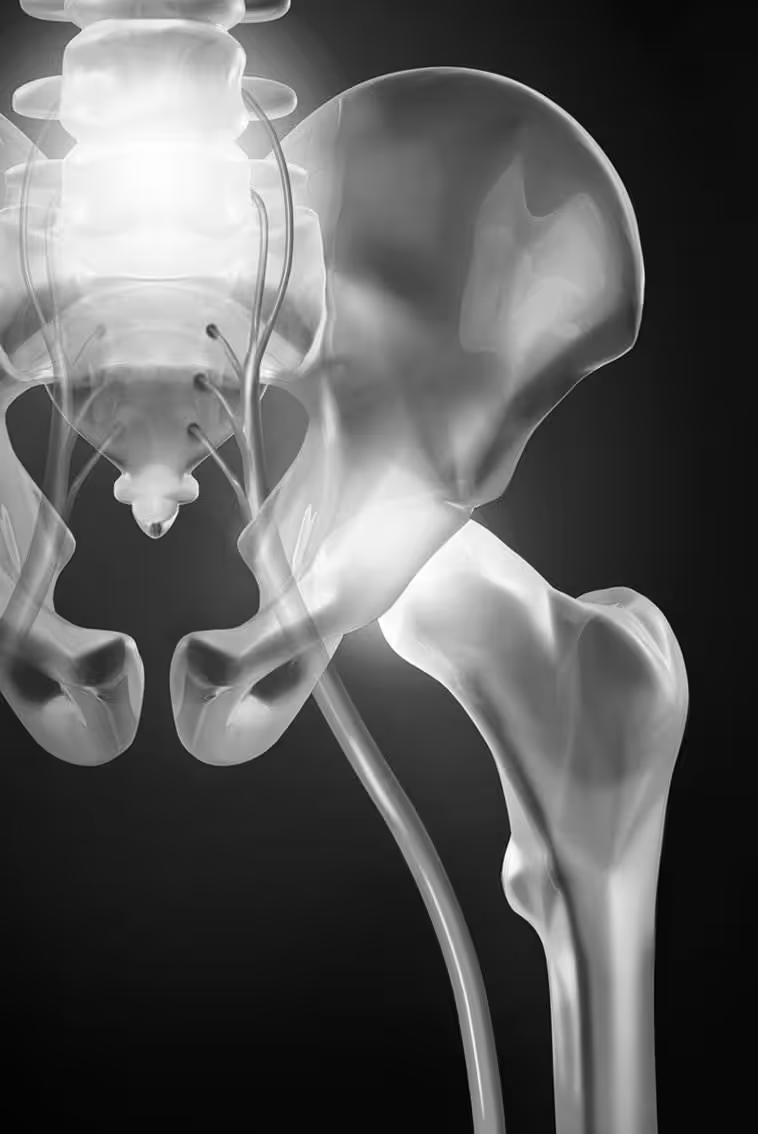
The sacroiliac joints are located where the sacrum meets the pelvic bones. These joints provide foundational support and absorb impact between the upper and lower body. Though they do not move much, inflammation in these joints—called sacroiliitis—or excessive joint movement can trigger pain.
Common symptoms may include:
- Pain in the lower back, buttocks, or groin
- Discomfort that radiates down the back of the thigh
- Difficulty sitting on one side or lying comfortably
- Stiffness when rising from a seated position
- Soreness during climbing stairs, walking, or sleeping
It is common for patients to confuse this discomfort with hip, lumbar spine, or muscular issues, which is why accurate diagnosis matters.
Why Does Sacroiliac Joint Pain Happen?
There are multiple causes of sacroiliac joint dysfunction. Some cases follow a traumatic injury such as a fall. Others develop gradually due to wear and tear. In women, pregnancy and childbirth can greatly affect the alignment and flexibility of these joints.
Other risk factors and contributing conditions include:
- Inflammatory conditions such as ankylosing spondylitis
- Progressive degeneration of joint surfaces
- Trauma from falls or accidents
- Uneven gait due to previous surgery or joint injury
- Weak pelvic or gluteal muscles
- Stress following lumbar spinal fusion surgery
Consider an example: someone wears a walking boot following ankle surgery. The shift in weight-bearing demands causes strain on one side, leading to irritation in the SI joint. Many patients are unaware of this domino effect until the pain becomes persistent.
Sacroiliac joint pain in Northern Virginia often goes underdiagnosed since it resembles symptoms from other musculoskeletal conditions. Recognizing activity-specific triggers and consulting a specialist can make a major difference in effective recovery.
Diagnosing Sacroiliac Joint Dysfunction
Accurate diagnosis typically begins with a discussion about the onset, pattern, and triggers of your pain. A physical exam often includes targeted tests such as:
- The FABER test
- Gaenslen test
- Sacral thrust
- Yeoman’s test
When necessary, imaging like X-rays, CT scans, and MRIs may be used to rule out comparable issues such as disc degeneration or hip joint pathology. The gold standard for confirming SI-related pain is often a diagnostic injection. If the pain improves after a local anesthetic is placed into the SI joint, this confirms the diagnosis.
Treatment Options That Focus on Relief and Long-Term Function
Once a diagnosis is made, the next step is creating a plan that reduces pain and supports joint stability. Every case of sacroiliac joint pain in Northern Virginia is different, which is why a personalized approach is key.
Treatment plans may include:
- Physical therapy to strengthen the core, pelvis, and glutes
- At-home stretching routines for stabilization
- Rest along with hot or cold therapy as appropriate
- Over-the-counter anti-inflammatories or acetaminophen
- Targeted sacroiliac joint steroid injections
- Radiofrequency ablation for long-term nerve pain relief
- Surgical SI joint fusion in rare or severe cases
Most patients benefit significantly from conservative therapies, avoiding the need for surgery. A structured treatment plan that supports strength and alignment is often enough to manage symptoms effectively.
Tips to Prevent Flare-Ups and Keep SI Joints Healthy
Reducing the risk of future SI joint flare-ups is an important part of long-term health. A few simple strategies can go a long way:
- Practice proper posture when sitting, standing, or sleeping
- Avoid lifting heavy items with poor form
- Incorporate low-impact exercises to build core strength
- Maintain a healthy weight to reduce load on joints
- Avoid smoking, which slows healing and impacts tissue repair
Getting Ahead of the Pain
If discomfort around your lower back or buttocks has been lingering or interfering with your daily routine, a professional evaluation may help. Sacroiliac joint pain in Northern Virginia is more prevalent than many realize and can worsen without proper care.
At DMV Spine and Pain, we focus on non-surgical, patient-centered care across Sterling, Fairfax, and surrounding regions. We help people move better, with tailored treatment plans built around your condition, lifestyle, and goals.
If you are tired of living with pain and want answers now, do not delay. Relief is possible, and it starts with the right team. Contact DMV Spine and Pain today and get expert care for sacroiliac joint pain in Northern Virginia.