

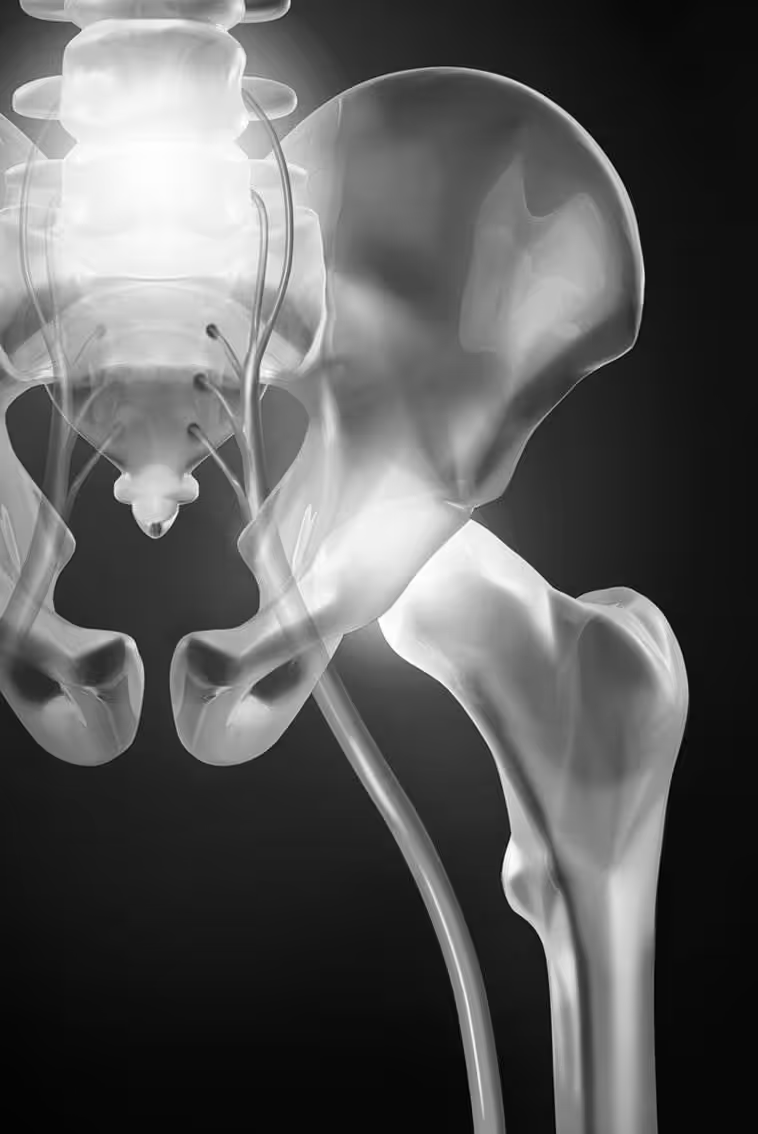
Understanding Hip Pain and Osteoarthritis
Hip pain can make even the simplest tasks difficult. Whether it’s climbing stairs, getting in and out of the car, or trying to sleep comfortably through the night, persistent discomfort in the hip can impact your entire day. In Northern Virginia, many people experience hip pain caused by wear and tear, past injuries, or musculoskeletal imbalances. At DMV Spineand Pain, we take a patient-focused approach to diagnosing and treating these problems using evidence-based and non-surgical methods.
One of the leading causes of persistent hip pain is osteoarthritis. This degenerative joint condition develops over time, wearing down the cartilage that cushions the ball-and-socket hip joint. As cartilage thins, stiffness, swelling, and reduced mobility often follow. However, osteoarthritis is just one possible source of discomfort. Physical injuries, overuse, poor posture, and issues with nearby joints and nerves can all contribute to symptoms in and around the hip.
Common Causes of Hip Pain
The hip is a complex joint, and the source of pain can vary from person to person. Evaluation by a specialist is essential to understanding what may be contributing. Some of the more common sources of hip pain include:
- Osteoarthritis that leads to cartilage breakdown
- Bursitis causing inflammation near the joint
- Tendinitis or soft tissue strain from repetitive use
- Labral tears around the rim of the hip socket
- Referred pain from the lower back or sacroiliac joints
- Anatomical issues such as femoroacetabular impingement
Younger adults may suffer from sports-related injuries or sudden trauma, while older adults are more likely to experience age-related conditions like osteoarthritis. Regardless of age, early diagnosis helps create an effective path to recovery.
Recognizing Where the Pain Starts
Hip pain is not always isolated to the hip. It may extend into surrounding areas like the thigh, groin, or buttocks. Identifying the exact location often guides diagnosis and helps determine the best treatment plan.
- Pain on the outside of the hip may indicate bursitis or tendon issues
- Front-of-hip pain is often linked to arthritis or labral damage
- Pain in the buttock or back of the hip may stem from the spine
Listening to how and when your pain appears matters. For example, people who notice pain when rising from a chair may be experiencing deeper joint-related issues. Understanding these patterns helps your provider choose the right course of care.
How Hip Pain Is Diagnosed
Effective treatment begins with accurate diagnosis. At DMV Spine and Pain, we perform detailed physical assessments, looking at how your hip, pelvis, and lower spine interact. We test strength, flexibility, and walking mechanics to pinpoint movement imbalances and stress points.
In some cases, imaging such as X-rays or MRIs is necessary to view deeper joint or soft tissue damage. If symptoms suggest possible nerve involvement, the spinal region may be studied. Blood panels may be used if an autoimmune or infectious cause is suspected.
Non-Surgical Treatment Options That Work
Once we understand your condition, we develop a treatment plan designed to reduce pain and restore function. Non-surgical options are often the first step and may include:
- Guided physical therapy to improve movement and balance
- Strength training to add stability and reduce joint stress
- Temporary activity modification to give irritated tissues time to heal
- Over-the-counter or prescribed anti-inflammatories for flare-ups
For more targeted pain relief or diagnostic support, image-guided injections may be used. These may include corticosteroids or anesthetics to reduce inflammation and provide relief. In some cases, platelet-rich plasma (PRP) therapy may be considered when traditional treatments provide limited benefits.
Tailored Care for Every Individual
No two cases of hip pain are exactly alike. Some people benefit from a few sessions of physical therapy, while others may need ongoing treatment and injection therapy. Our individualized plans consider your health history, activity level, and treatment goals.
We see a wide range of patients, from active professionals eager to return to running or weight training, to retirees seeking to enjoy everyday movement without discomfort. Our goal is always the same: to restore pain-free function and improve your quality of life.
What Happens When Pain Persists
If pain continues despite non-surgical care, we may recommend advanced imaging or consider referring you for surgical consultation when needed. In more serious cases involving major joint deterioration, hip repair or replacement may be discussed. In these cases, our team will continue to provide follow-up support through rehabilitation and pain relief services to optimize healing.
Finding Lasting Relief
Location matters. If you live in Northern Virginia and are struggling with hip discomfort, help is close by. We understand the frustration of living with ongoing pain and the importance of finding answers that are both effective and minimally disruptive. At DMV Spine and Pain, our expert team is ready to walk with you through your recovery—step by step.
Our clinics in Sterling and Fairfax offer research-backed care, clear communication, and a compassionate approach dedicated to improving your movement, strength, and peace of mind.
If your hip pain is starting to limit your life, don’t wait for it to get worse. Take control now and explore lasting relief with our trusted experts. Schedule your personalized hip pain treatment in Northern Virginia today so you can start feeling better tomorrow.