

Understanding Tailbone Pain and How It Affects Daily Life
Tailbone pain, also known as coccydynia, can affect everything from how long you are comfortable sitting to the way you move through your day. For some people, it starts after a fall. For others, it shows up without an obvious reason and slowly gets worse. What begins as a dull ache at the very bottom of the spine can turn into persistent discomfort that makes even basic tasks feel difficult.
If you have ever shifted around in your seat looking for some relief, you are not alone. Tailbone pain is more common than people realize, yet it is often overlooked or misunderstood. Finding lasting relief starts with getting a better understanding of what is happening and what options are available.
At DMV Spine and Pain, we focus on patient-centered care, which means exploring treatments that do not require surgery. Whether you are dealing with recent pain or it has been going on for months, it is worth learning how tailbone pain is evaluated and what safe, effective therapies could help.
What Is Tailbone Pain?
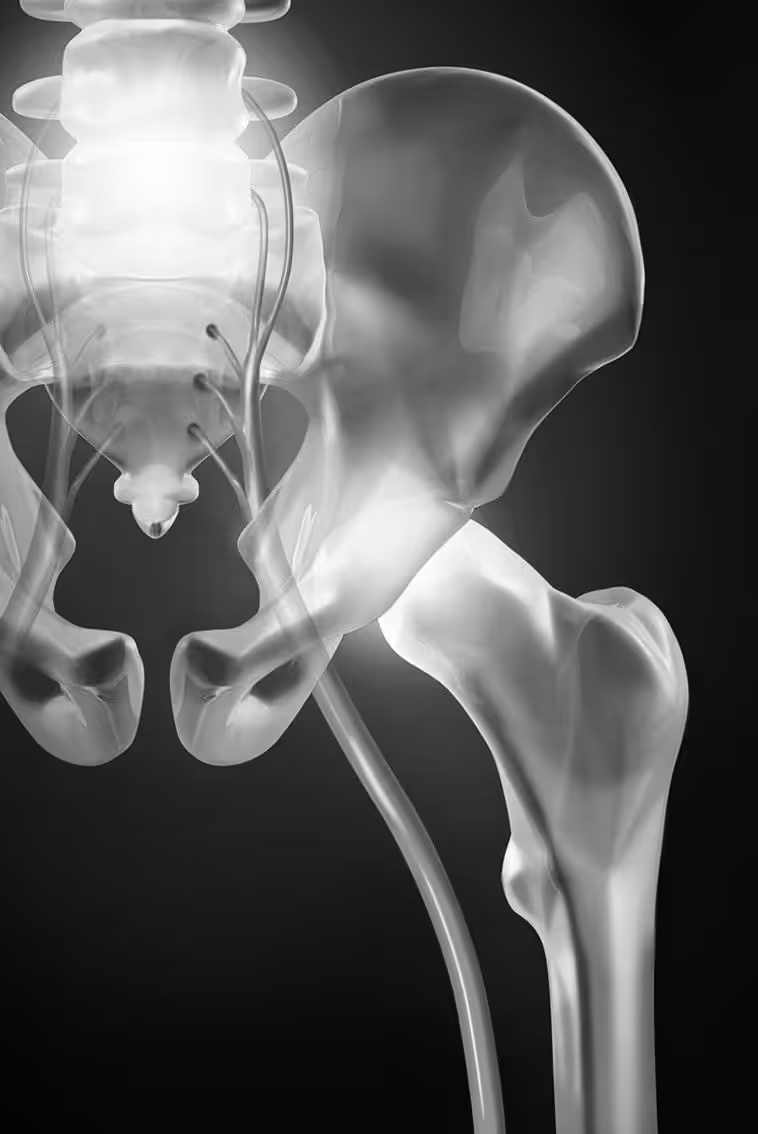
Tailbone pain centers in the small, triangular bone at the base of the spine known as the coccyx. This pain may feel dull or sharp and can show up while sitting, changing positions, or even when standing for long periods. In some cases, it can travel to nearby areas such as the hips or lower back.
Many people do not know that tailbone pain can show up in everyday situations like:
- Sitting on hard surfaces
- Getting up from a seated position
- Going from standing to sitting
- Leaning back while seated
Although discomfort in the tailbone is often grouped in with lower back pain, it usually stems from a completely different source and may require a different approach.
What Causes Tailbone Pain?
Tailbone pain can develop from a wide range of causes. Some people experience it after trauma, while others notice it gradually over time. Common causes include:
- Direct trauma from a fall or impact
- Prolonged sitting on hard or uncomfortable surfaces
- Repetitive strain in certain positions
- Childbirth-related pressure
- Arthritis or bone degeneration
- Sometimes, no clear cause at all
Even something as simple as sitting in a rigid office chair during long work hours can lead to discomfort. One patient, for example, experienced tailbone irritation after switching to a new workstation that lacked lumbar support.
Signs It Might Be Time to Seek Evaluation
It is easy to chalk tailbone pain up to poor posture or a minor bruise, but when it keeps showing up or gets worse, it may be time to have it looked at.
Look out for:
- Pain that does not improve with rest or seating changes
- Increasing discomfort when sitting for extended periods
- Numbness or tingling near the tailbone
- Difficulty standing up from a seated position
- Pain that disrupts sleep or daily routines
These signs suggest that your tailbone pain may need medical attention to understand what is causing it and how to approach treatment. A full evaluation often includes talking through your symptoms, checking movement, and possibly doing imaging depending on what is found during the initial visit.
Exploring tailbone pain treatment in Northern Virginia can help you better understand what might work best for your specific condition. Whether your pain is new or something you have been managing for a while, there are options worth considering.
How Tailbone Pain Is Diagnosed
Understanding where the pain is coming from makes it easier to decide what kind of care may be helpful. A doctor typically starts by talking about your symptoms and asking when the pain seems to get worse. For instance, if you notice increased discomfort after sitting at your desk all day or driving for long periods, that kind of detail can offer important clues.
A physical exam can help rule out other nearby sources of pain, like muscle strain or joint issues. In some cases, imaging such as an X-ray or MRI might be used to check for damage, alignment problems, or anything structural around the coccyx. These tools support the overall evaluation process and help narrow down where the discomfort is coming from.
Non-Surgical Approaches to Tailbone Pain
Many people find lasting relief through conservative methods that focus on managing inflammation, improving alignment, or reducing pressure on the tailbone. At DMV Spine and Pain, these supportive therapies are tailored to each individual’s needs and comfort level.
Some of the most common options include:
- Anti-inflammatory medications to manage swelling
- Activity adjustment to avoid positions or actions that aggravate pain
- Physical therapy to improve posture, alignment, and core support
- Use of specially shaped seat cushions to reduce pressure while sitting
- Targeted injections near the coccyx for more persistent or severe cases
If your pain continues despite making changes at home, interventional care may be explored before considering more invasive solutions. The goal is to support long-term relief without surgery whenever possible.
Managing Everyday Life With Tailbone Pain
Daily routines can often be adjusted to better support your comfort while your body heals. Changing how and where you sit, paying attention to your posture, and staying gently active can all make a difference.
Some patients find that alternating between sitting and standing throughout the day brings noticeable relief. A coworker who once had to shift constantly in her chair found improvement when she added a standing desk and rotated her position regularly. Small changes can be surprisingly helpful.
Home strategies for tailbone care might Include
- Using cushioned seating or wedge pillows designed for coccyx support
- Changing positions often instead of sitting too long in one spot
- Stretching and light movement to support blood flow and joint flexibility
- Avoiding hard surfaces or sitting without support for extended periods
Staying active can feel tricky when you are hurting, but movement encourages mobility and helps prevent stiffness. Try not to remain sedentary for too long, even if you are spending more time at home resting.
Taking the Next Step Toward Comfort and Relief
Living with tailbone pain can be frustrating, especially if it keeps showing up day after day. But you are not stuck with it. There are care options designed to improve your quality of life without the need for surgery or complicated procedures. Knowing when to reach out is an important step toward feeling better and getting back to your routines.
If you are in pain, do not wait for it to get worse. Relief starts with action. Learn how DMV Spine and Pain can help you take control today. Explore your options for tailbone pain treatment in Northern Virginia and connect with a care team that listens, understands, and delivers research-based solutions designed for long-term relief.